Posted in Coastal Tales News, News, Publications, UWTSD Hub News on Nov 13, 2025.
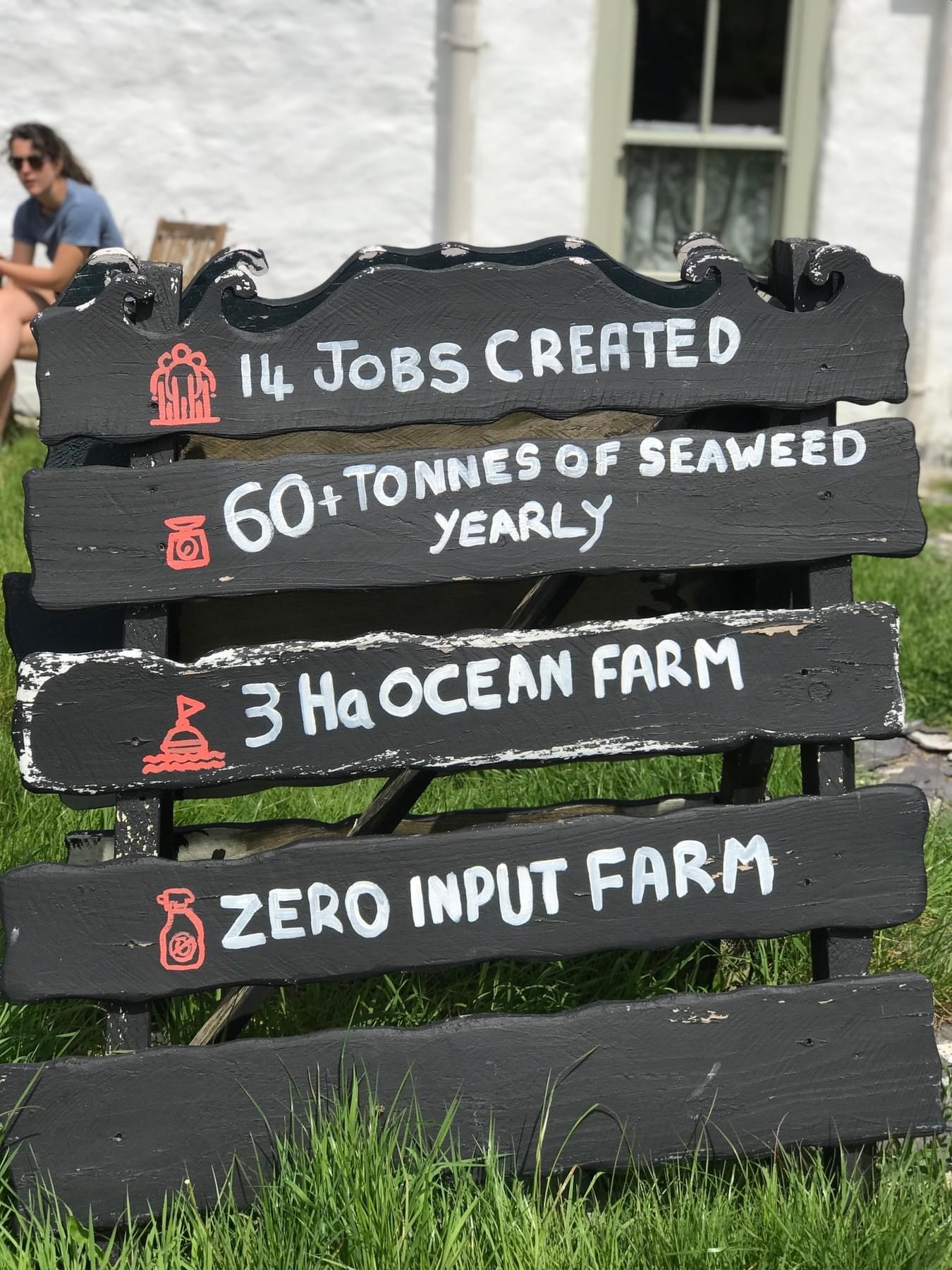
This article argues that sustainability governance in small-scale regenerative aquaculture arises less from formal regulation than from the relational, ethical, and temporal labour of practitioners. Based on an ethnographic study of Câr-y-Môr, Wales’s first community-owned regenerative ocean farm, the research combines over 250 h of participant observation, 25 interviews, and document analysis with transdisciplinary humanities-informed sustainability science (THiSS). The study shows how technocratic environmentalism, reliant on auditing, reporting, and standardised procedures, often clashes with the shifting rhythms of tides, weather, and the embodied work of marine labour.
Ethnography uniquely reveals the embodied knowledge, improvisation, and moral commitment through which practitioners continually remake governance, translating bureaucratic rules into ecologically and socially meaningful practice. The findings demonstrate that adaptive governance requires recognition of local and experiential expertise, proportionate regulatory frameworks, and protected spaces for experimentation and learning. Seen in this way, sustainability shifts from a fixed goal to a relational process. When governance learns from practice and care is recognised as a form of knowledge, it becomes more adaptive, situated, and responsive, revealing both the constraints of technocratic control and the possibilities of care-based policy and practice.
Authors: Gareth Thomas, Louise Steel, Luci Attala.
Published by MDPI Open Access Journals, on 13 November 2025, in Sustainability 2025, 17(22), 10136; https://doi.org/10.3390/su172210136 (registering DOI). Special Issue Sustainable Ocean Governance and Marine Environmental Monitoring).
Read the Open Access article here


