Belmont Forum Climate and Cultural Heritage Joint Call
Coastal TALES asks: How can stories of past practices help people (re)discover more sustainable ways
of living in their rapidly changing coastal environments? Our goal is to show how heritage stories
can generate tangible local action that diverse communities can draw on to adapt to a changing
climate. We use a transdisciplinary approach, building on the knowledge and agency of local
communities in dialogue with academic expertise across the spectrum of humanities and sciences.
About
Facing a world undergoing significant social and ecological transformation, many people ask, “what
can I
do?”. Individual actions often feel insufficient, with little perceptible effect. Coastal TALES
attends to
this growing social need by examining how stories can generate tangible action and offer creative
inspiration to local communities and regional environmental stakeholders seeking to adapt
sustainably.
Coastal TALES is working with societal partners in three coastal areas: Kodiak Island, Alaska,
Dublin Bay in
Ireland and southwest Wales. These draw together different experiences of how environmental change
is
affecting distinct communities. Our aim is to understand how diverse heritage stories can help drive
action
in education, policy and nature-based innovations. Coastal TALES demonstrates the value of reviving
heritage
stories in three distinct social contexts, each of which uniquely illustrates how listening to
voices from
the past and empowering voices of the present can create a legacy for future generations and offer a
source
of resilience in the face of climate stress.
Expertise Related to UN Sustainable Development Goals
In 2015 the UN member states agreed to 17 Sustainable Development Goals (SDGs) to end poverty,
protect the
planet and ensure prosperity for all. This project contributes towards the following SDGs.
Alaska: Sugpiaq Storytelling and Cultural Revitalization Old Harbor, Kodiak
Suumacirpet “Our Way of Life” (Sugpiaq Values)
The Kodiak study examines commercialised fishing in an Indigenous context, encouraging youth to
draw on ancestral knowledge as a means to forge environmentally sustainable communities and
lifeways. We are working with Native community members, exploring how stories are used to educate
Sugpiaq youth in culturally appropriate responses to subsistence challenges. Stories told by the
elders at the Nuniaq Youth Culture Camp are used to teach younger generations to preserve and enact
heritage knowledge to sustain good relations in marine ecosystems. These stories, together with
knowledge drawn from the Alutiiq Museum’s oral history archives, are being used in curriculum
development, to co-create teaching materials relating past, present, and future relationships with
the lands and waters.
PI: Steven Beschloss Arizona State University
Research Team: Prof. Ben Fitzhugh and Dr Hollis Miller
(University
of Washington)
Societal Partners: Alutiiq Museum and Archaeological Repository,
Altuiq Tribe of Old Harbor, Old
Harbor Native Corporation/ Old Harbor
Alliance, University of Alaska
Funded by National Science Foundation
Ireland
Applying local and traditional knowledge for the coastal restoration of Dublin
In Dublin Bay oral histories are being used alongside historical maps used to help identify
practices of managing rising waters with hard and soft coastal defence structures. Here coastal
erosion is increasingly rectified by laying concrete. Our research advocates an alternative
approach, grounded in local and traditional knowledges within the wider Dublin Bay. Oral histories,
cartography, folklore archives and inter-generational dialogue are being explored to provide
mechanisms by which local knowledges can enable local action. The aim is to reintroduce a natural
coastal defence system of oyster beds, eelgrass, or stone reefs so that the rapidly degrading
coastal zones can be protected whilst boosting biodiversity.
PI: Prof. Poul Holm
Research Team: Dr Cordula Scherer
Societal Partners: ECO-UNESCO
Funded by Irish Environmental Protection Agency
Wales
The revival of local coastal heritage foods is foregrounded in coastal southwest Wales, with an
emphasis on learning how heritage stories can drive sustainable adaptation. Warming seas and
increased pollution in waterways are driving adaptation and communities are looking to heritage
production methods for inspiration. Traditional food practices are being revived in a modern context
to secure livelihoods, food security and encourage biodiversity. The stories told by local
businesses will be examined to better understand how cultural heritage may provide fresh insights,
inspiring locals to innovate and adapt to meet sustainability challenges.
PI: Prof. Louise Steel
Research Team: Dr Luci Attala, Gareth Thomas, Prof. Steven
Hartman
Societal Partners: Câr y Môr, Cardigan Bay Fish, Teifi Coracles
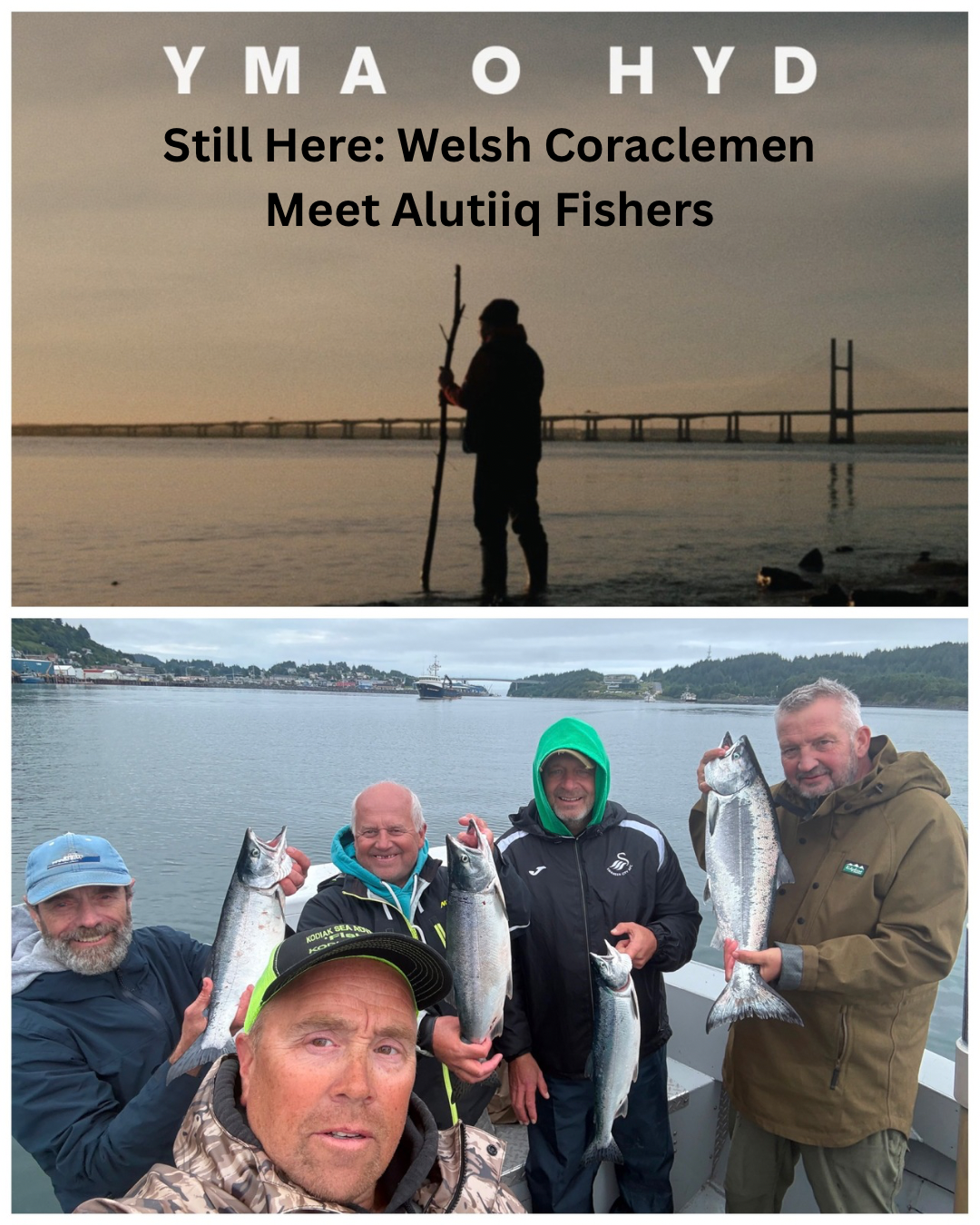
In this piece Gareth Thomas reflects on an extraordinary cross-continental journey that brought Welsh river fishers and Alutiiq communities together in Kodiak. Rooted in the international Coastal TALES project, this story explores how shared stories over salmon stocks, environmental regulation, and cultural survival can connect two vastly different worlds —
"It is not every day that you set off from Wales in the middle of the night, bound for Kodiak Island in Alaska with two traditional Welsh coraclemen. But that was exactly what I was doing in August 2026. After four flights and around 36 hours of travelling, we landed at a small local airport to meet our American research colleagues and their Alutiiq partners. Somewhere among our luggage, carefully carried across several thousand miles, was a miniature traditional coracle made by one of the last people in Wales still making them. We unwrapped it in airport car park and breathed a sigh of relief, the fragile miniature boat had made it."
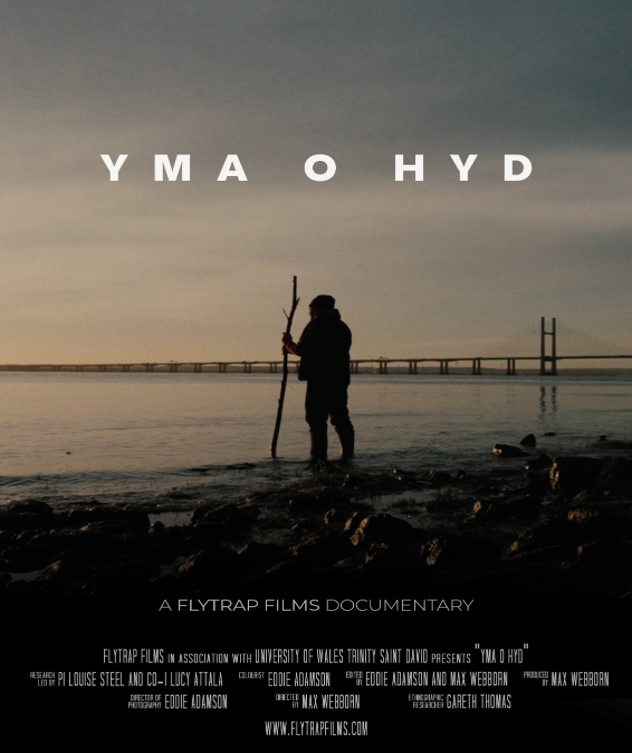
Author: Gareth Thomas. Coracle fishing on West Wales's River Tywi is an ancient tradition facing severe threats from pollution and declining fish stocks. As explored in this blog post, the ethnographic short film Yma o Hyd: The Ancient Art of Fishing in Wales reveals how preserving this unique food culture requires protecting the active livelihoods and ecological knowledge that sustain it.
We are pleased to highlight an article by Victoria Jenkins, published in the Journal of Environmental Law which references Coastal TALES - Recognizing the natural heritage of landscape in the law of England and Wales | Journal of Environmental Law | Oxford Academic.
The article addresses a critical lacuna in legal frameworks: the omission of 'natural heritage'.
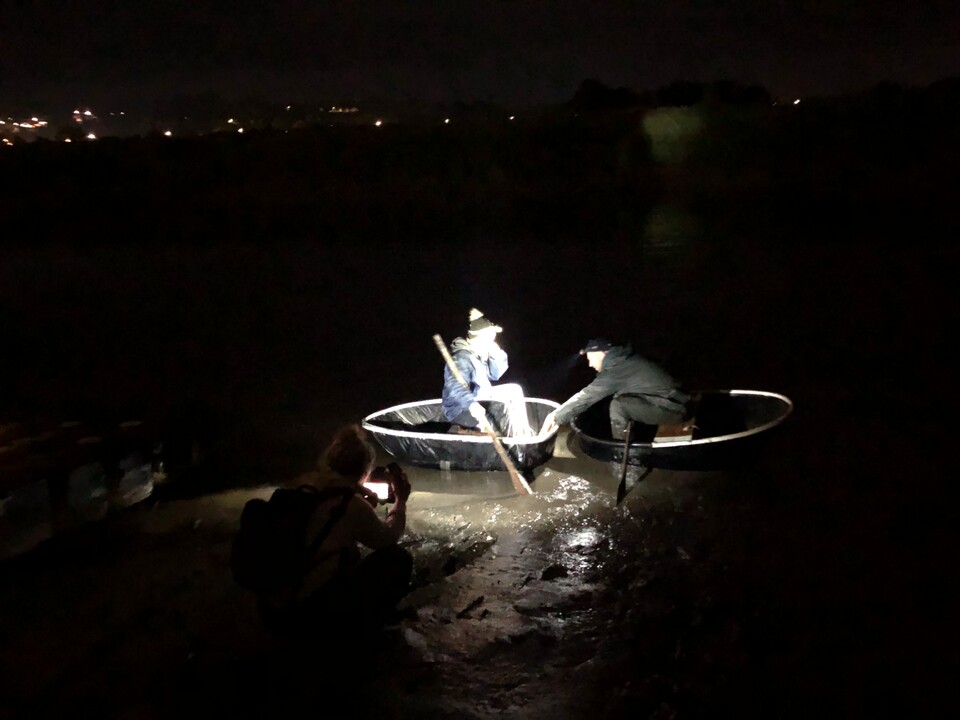
We are proud to share a new publication reflecting over two years of immersive research with coracle fishermen. This work centres the people, the lived experience, and the rich traditions of this unique heritage fishery, while highlighting the challenges it faces and the vital role it plays today.
As part of the ongoing work of the Coastal TALES project, a new short film titled Yma O Hyd has officially been released. Developed as a key project output, the film offers a powerful visual window into the realities, challenges, and resilience of coastal communities.
Based on research conducted as part of the UNESCO-MOST BRIDGES Coastal TALES project on the revival of local coastal heritage foods in southwest Wales, with an emphasis on learning how heritage stories can drive sustainable adaptation, this article, by Gareth Thomas, UWTSD UNESCO_MOST BRIDGES, published in Gower 76 - the annual journal, by The Gower Society - is an exploration into the history of laverbread in South Wales.
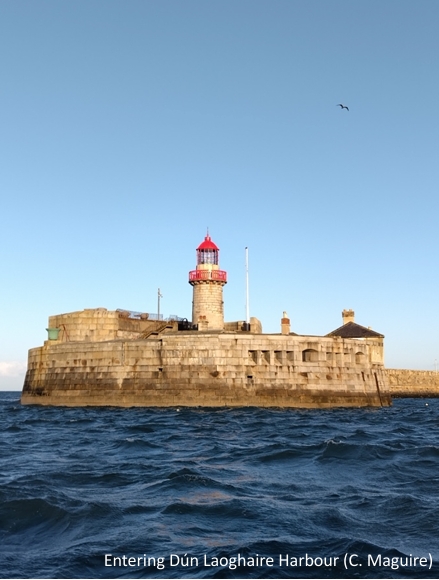
It’s a blustery Thursday late afternoon when we arrive at the West Pier of Dún Laoghaire Harbour. The wind cuts sharply across the quay, and low, heavy clouds threaten rain at any moment. We glance at each other more than once, wondering whether Ed—the man behind Goat Boat Tours—might call it off. To be fair, we wouldn’t blame him.
"This article by University of Wales Trinity Saint David, Swansea College of Art senior lecturer Catherine Brown, a maker and long‑standing advocate for craft education, offers an intimate insight into the Interwoven project’s process and purpose, capturing how weaving, heritage materials, and interdisciplinary collaboration come together in meaningful and often unexpected ways. Catherine’s perspective not only grounds the project in lived experience but also illuminates why the act of making, and the stories embedded within it, continue to matter in contemporary Wales."
Delighted to share this special film, ‘Gower Cockle Gatherers ’ on Saint David’s Day, filmed by Andy Davies, made in collaboration with Liz Williams, with a special introduction by Gareth Thomas, BRIDGES, UWTSD.
The Interwoven Project explores how the Arts and Humanities can contribute to addressing contemporary ecological and environmental challenges. Supported by the Catalyst Fund, Interwoven brings together researchers from Coastal TALES with staff and students from WISA, working in collaboration with Clare Revera of Welsh Baskets.
The project’s central aim is to co-design a sustainable heritage basket for Coastal TALES’ societal partner, Câr-y-Môr, as an environmentally friendly alternative to the plastic bags and baskets currently used for shellfish and seaweed harvesting.