Latest News

What The World Can Learn from Wales

Author: Luci Attala. When I tell people at UNESCO that I’m from Wales, their eyes light up. There’s a genuine curiosity about this small country in their corridors. Wales is known to some for its castles and dragons, but to others for something far more extraordinary: a nation that has made the future a matter of law. As someone now working within the UN system, I can say with certainty that the Well-being of Future Generations (Wales) Act 2015 is regarded internationally as visionary, practical and quietly revolutionary.

The Ingredients for Change

Author: Sophie Spooner. ‘Cooking up a Storm: The Revolutionary Power of Cooking in the Curriculum’, an online event at the Learning Planet Festival 2025, brought together people passionate about food, community, and a more sustainable way of living. This blog tucks into how the ingredients for change were laid out and the role of food education was clearly served up in discussions as a powerful potential in shaping a more resilient and connected future.

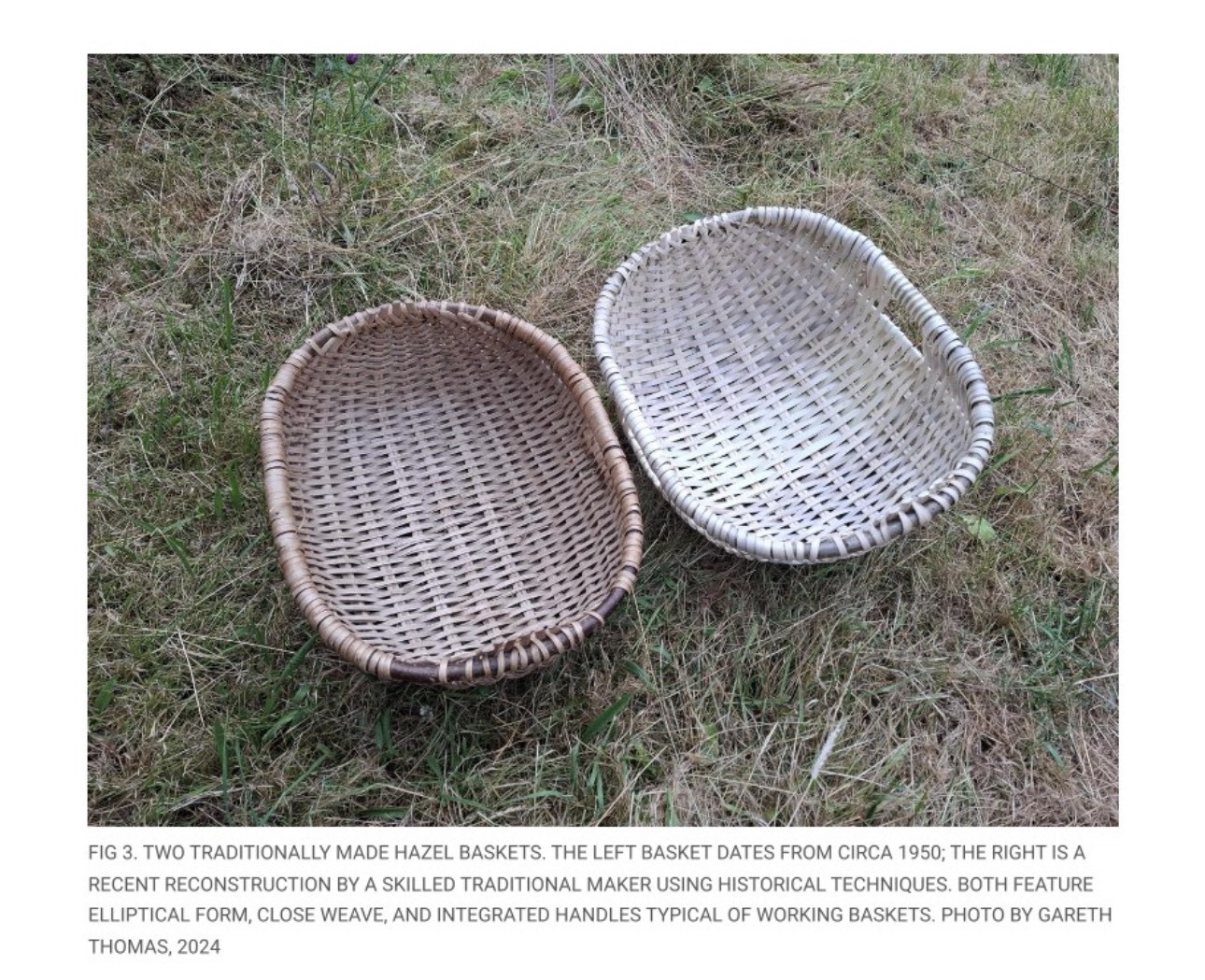
Weaving Lost Traditions: A Comparative Transdisciplinary Reconstruction of a Welsh Cleft Hazel Basket

This study explored the reconstruction of traditional Welsh cleft hazel basketry through a transdisciplinary methodology that combines descriptive and thematic analysis with ethnographic methods. It aimed to document the reconstruction process in detail and compare the outcomes of a volunteer-led initiative with the practices of traditional makers.

UNESCO-MOST BRIDGES and UWTSD at the forefront of groundbreaking £3M AHRC project to use nature to tackle urban climate challenges

UNESCO-MOST BRIDGES Coalition, the BRIDGES UK Hub at University of Wales Trinity Saint David (UWTSD) and UWTSD are proud to play a leading role in a major new UK-wide project that has secured £3 million in funding from the Arts and Humanities Research Council (AHRC). The project, Retrofitting for the Future: Nature-Based Solutions for Climate Adaptation, brings together a powerful consortium of academic and societal partners to explore how biophilic design, working with nature rather than against it, can help urban areas adapt to the intensifying impacts of climate change.

We use cookies to personalize content and to analyze our traffic. Please decide if you are willing to accept cookies from our website.