Latest News

Ausi Told Me

Author: June Bam - Published by coalition members Educere Alliance - We are no longer able to ignore the devastating impact of climate change or the important Indigenous knowledges of ecologies that have been systematically erased (directly or indirectly; willfully or unintentionally). With fires currently ravaging Europe and temperatures reaching extra-ordinary levels, there is both vocal and silent agreement in societies at large that it can’t be ‘business as usual’.
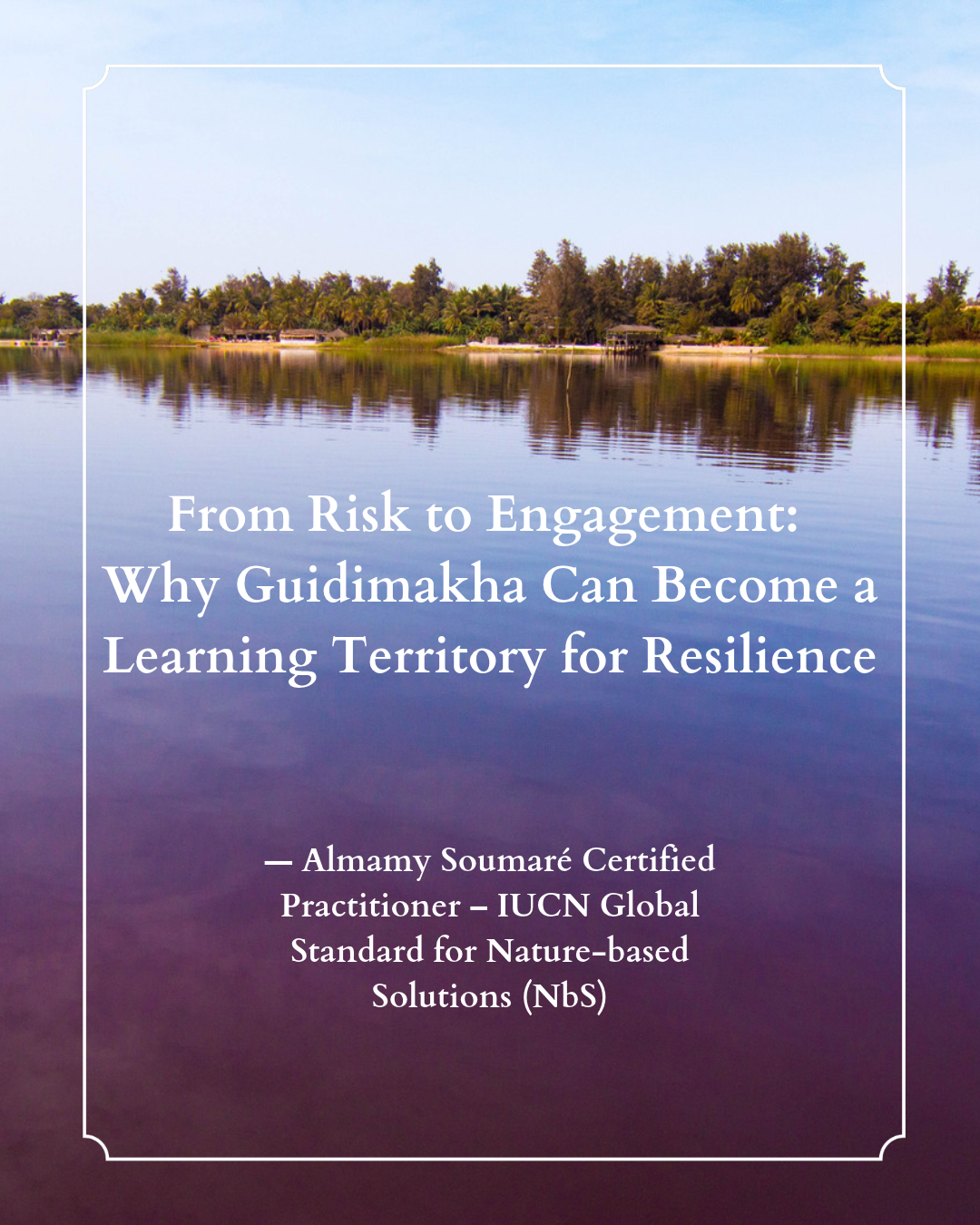
From Risk to Engagement: Why Guidimakha Can Become a Learning Territory for Resilience

By Almamy Soumaré - Guidimakha Is Changing This is not a distant change. Rainfall is becoming more irregular, droughts more persistent, extreme heat more difficult to withstand, and floods sometimes more sudden. Bushfires are spreading into areas that are already fragile; land is being eroded under increasing pressure on water, grazing areas and soils. At the same time, new infrastructure and extractive projects are reshaping land uses, changing mobility patterns and potentially increasing pressure on natural resources.

From separation to reconciliation: Love and leadership through The Fifth Element

Author: Raad Sharar, Programme Lead at the Club of Rome “Impact Week 2026 carried a bold theme, “Love as Infrastructure,” and one session sharpened it into a more explorative question: Love is not a leadership competency, or is it? Carlos Álvarez Pereira, Secretary General of the Club of Rome, opened with an engineer’s candour. Infrastructure evokes bridges, highways and digital networks, all products of rational design, and love belongs to the world of feeling, something people sense and carry within them. The session focused on uniting these two elements and drawing the discussion toward their meeting point.

Humanities Perspectives On Climate Modelling Can Help To Identify Limits And Opportunities For Understanding Climate Change (BRIDGES Cologne Policy Insights #5)

Research in the Environmental Humanities recognises the need for better cooperation and concerted collaboration between the sciences and the humanities when it comes to understanding, assessing and ameliorating current and emerging environmental crises. This research identifies critical root causes, underlines the role of imaginaries, norms and values, and mobilises knowledge on the import of language and narrative as well as artistic expression in order to assemble more diverse and robust understandings of what it means to live in a world of polycrisis, and to develop novel solutions or pathways for safeguarding or restoring planetary co-habitability.

We use cookies to personalize content and to analyze our traffic. Please decide if you are willing to accept cookies from our website.