Latest News

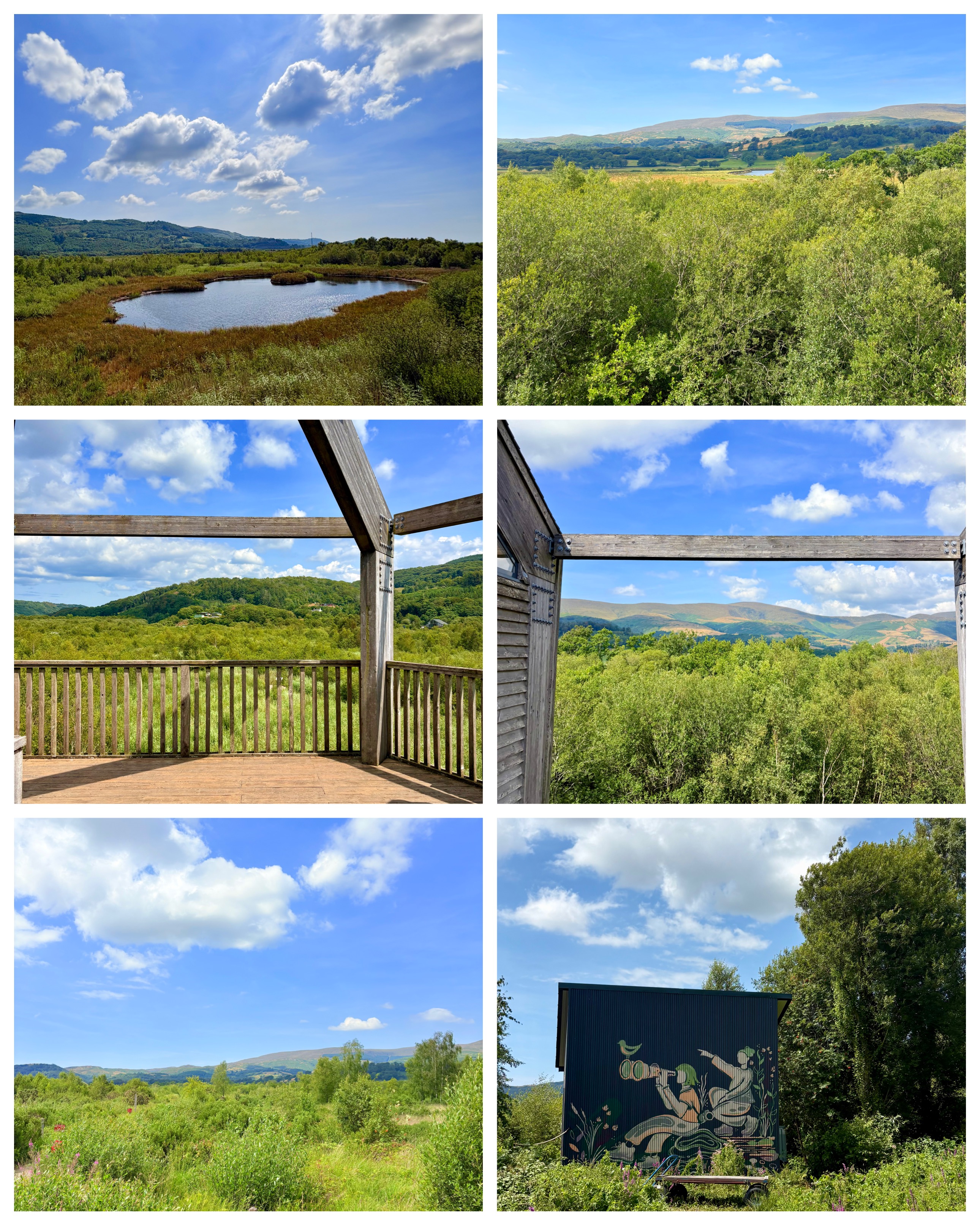
Highlighting Publications from 2025: The environmental and economic legacy of Wales' industrial past. Coastal Tales: Kilvey Hill (Swansea) and the Teifi as Projects of Contentious Urban Woodland and River Restoration

We begin this series focussing on publications from 2025, with a paper written by Luci Attala, Louise Steel, and Gareth Thomas, BRIDGES IPO and UK Hub, UWTSD, and Nigel Robins: Geographer and specialist in Welsh industrial history. In a significant submission to the UK Parliament, a transdisciplinary team challenge traditional "top-down" approaches to environmental restoration, arguing that the true value of Wales’ industrial legacy lies as much in its "intangible" culture as in its ecology; demonstrating the value of local, historical, and cultural stories to foster climate change adaptation and coastal resilience. The paper was submitted as written evidence for the Welsh Affairs Committee of the UK Parliament, published 19 March 2025.

Green Heart of the City. REPAIR in Swansea: biophilic design, community care, and climate resilience working as one.

Work is well underway on the ground-breaking “REPAIR: Retrofitting for the Future: Nature-Based Solutions for Climate Adaptation” project. The ambition is to transform the urban landscape by integrating nature, wellbeing, and sustainability. The four-year project is one of just three across the UK chosen for funding through AHRC’s new Mission Awards. Through this project, the city of Swansea, Wales, is set to become a beacon of sustainable, nature-led urban living. This innovative, four-year, £3 million initiative, funded by the Arts and Humanities Research Council (AHRC), is pioneering a new way to adapt older urban buildings to the challenges of climate change and wellbeing.

Wales putting intergenerational justice into practice

Today's inspiring and informative 'WIN Talks, From policy to practice: The Well-being of Future Generations Act in action', brought together the Future Generations Commissioner for Wales, Derek Walker, Professor Martin Johnes, and Professor Luci Attala to explore how Wales is advancing the vision of the Well-being of Future Generations Act and how research communities can strengthen its impact. Together, the speakers demonstrated how Wales is driving forward a unique model of research-informed, future-oriented governance and how academic partnerships are helping to turn the Act’s ambitions into lived practice.

For the Love of the Sea: Technocratic Environmentalism and the Struggle to Sustain Community-Led Aquaculture

This article argues that sustainability governance in small-scale regenerative aquaculture arises less from formal regulation than from the relational, ethical, and temporal labour of practitioners. Based on an ethnographic study of Câr-y-Môr, Wales’s first community-owned regenerative ocean farm, the research combines over 250 h of participant observation, 25 interviews, and document analysis with transdisciplinary humanities-informed sustainability science (THiSS).

We use cookies to personalize content and to analyze our traffic. Please decide if you are willing to accept cookies from our website.