Posted in News, UWTSD Hub News on Mar 20, 2026.

Authors: Luci Attala and Sophie Spooner
Yesterday, as the sun broke through for the first time after a long, wet winter, the first buds of hope appeared in Swansea with the announcement that the city has officially joined the Biophilic Cities Network, marking a major milestone in its drive toward a greener, healthier urban future.
The announcement was made at the “Green the City: Adapting to Climate Change” event, organised by Urban HQ in partnership with Bridgman and Bridgman, Swansea Council, Swansea University and Natural Resources Wales.
The designation recognises Swansea’s growing commitment to integrating nature into everyday urban life - an effort driven by the unrelenting work of Penny Gryffydd at Swansea Council and Fran Rolfe at Natural Resources Wales. This dynamic duo have played a key role in advancing the many green infrastructure projects residents have noticed emerging across the city centre in recent years, from green roofs and living walls to improving access to beautiful nature-rich public spaces.
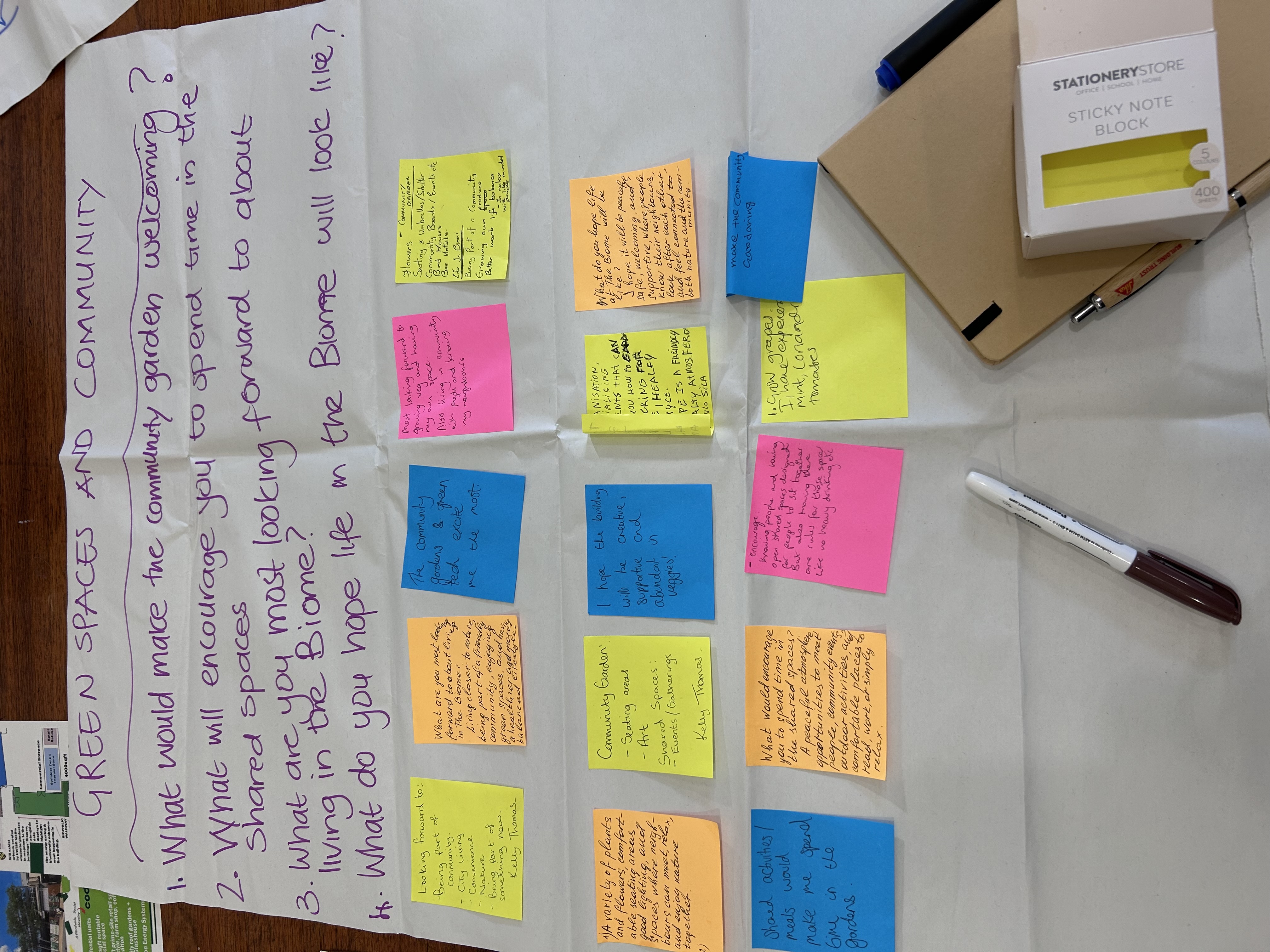
The city’s biophilic ambitions are also reflected in the innovative BIOME building on Oxford Street, an eco-focused social housing complex developed by Hacer Developments and Codi Group. Designed to bring residents closer to nature while reducing environmental impact. BRIDGES' Luci Attala is one of the researchers working on the REPAIR initiative; a transdisciplinary research collaboration, focussing on the BIOME. Their research is examining its performance, the solutions it offers, the barriers people perceive around it and the values and feelings it generates among residents and the community. The project also considers how developments such as the BIOME might contribute to adaptation in the face of climate change.
Being part of the Biophilic Cities Network means Swansea now joins cities around the world committed to embedding nature into planning, design and daily urban life. This includes increasing green spaces, restoring biodiversity and ensuring residents have meaningful connections to the natural environment.
Biophilic design is about more than aesthetics. It is a way of life, increasingly seen as a direct pathway to achieving Net Zero targets, helping adaptation to climate change (eg: by reducing urban heat and mitigating flood risk). And in Swansea’s case, it also aligns with Wales’ Well-being of Future Generations Act 2015, supporting healthier, more resilient communities.
The benefits are expected to be wide-ranging: a more beautiful and biodiverse city centre, new green job opportunities and an improved quality of life for residents. As Swansea takes this step onto the global stage, it also signals an important shift into this kind of action which will transform a city with a deep industrial heritage, heavily bombed during the Second World War and long affected by poverty and deprivation, into one where nature is woven into everyday life, improving how the city looks, but also profoundly improving how it feels to live there.
The press release is available here.
Further information about Swansea’s role as a Biophilic Cities Partner can be found here. This page outlines Swansea’s commitment to embedding nature across policy, planning, and community initiatives to support more sustainable and resilient urban environments.