Latest News

BRIDGES Helps Shape Landmark Living Teifi Partnership Bridging Science, Culture and Community Knowledge: Initial £1.4M Grant Launches Flagship 'Teifi Fyw' Project with a Long-Term Vision for £10M Socio-Ecological Investment

UNESCO-MOST BRIDGES is delighted to announce our involvement in the landmark Teifi Fyw — Pobl a Natur gyda'i gilydd / Living Teifi — People and Nature Together partnership, an ambitious initiative bringing together scientific, cultural, community and humanities-based approaches to support the long-term flourishing of the Afon Teifi — one of Wales’s most ecologically and culturally significant river systems.
What are the six themes at the heart of We are not waiting?

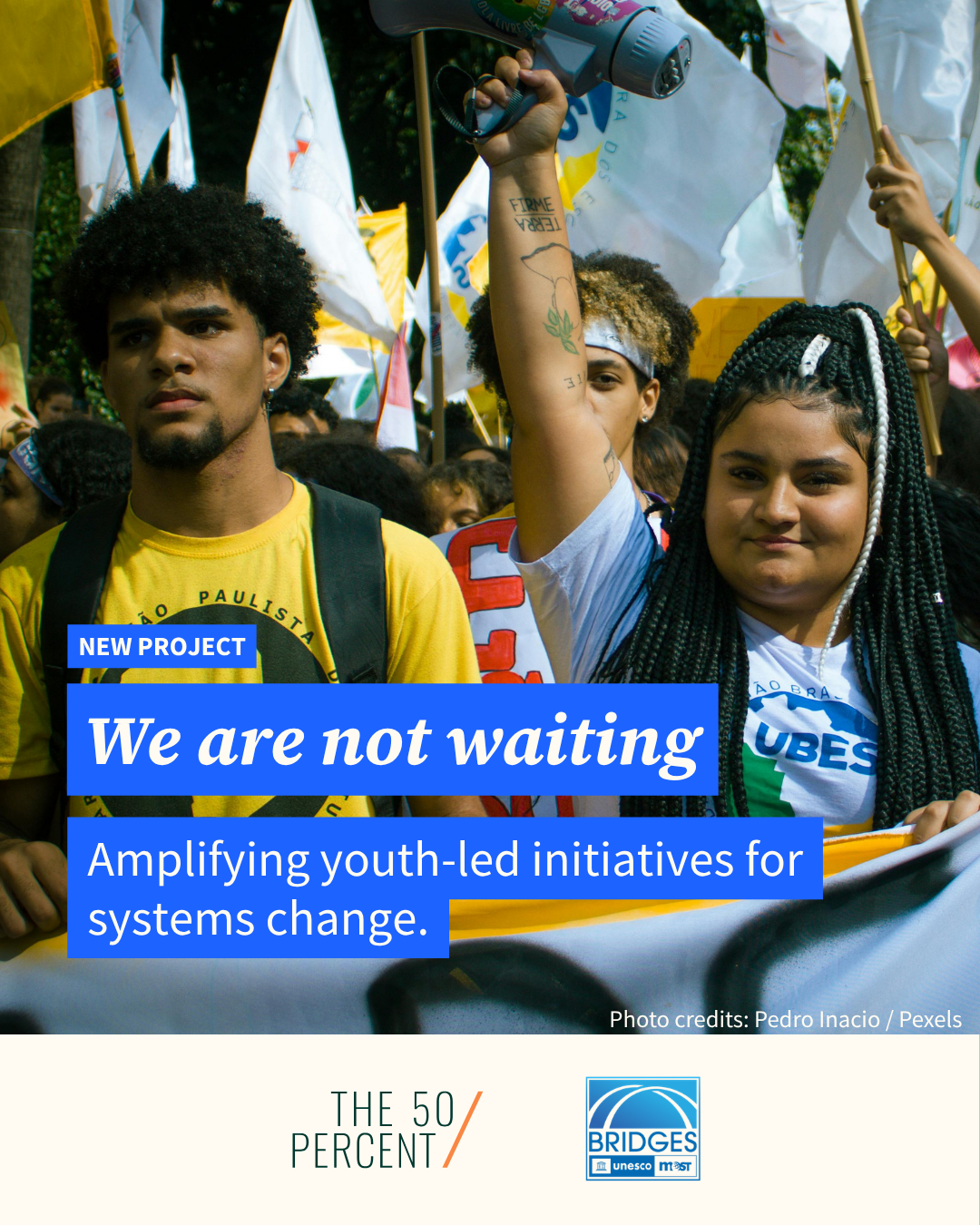
The project — We are not Waiting by The 50 Percent and UNESCO-MOST BRIDGES Coalition — is built around six themes that reflect what young people are already doing to change the world. If you are between 14 and 35 and your work touches any of them, we want to hear from you. Each theme is a question. Each question points to work already happening.

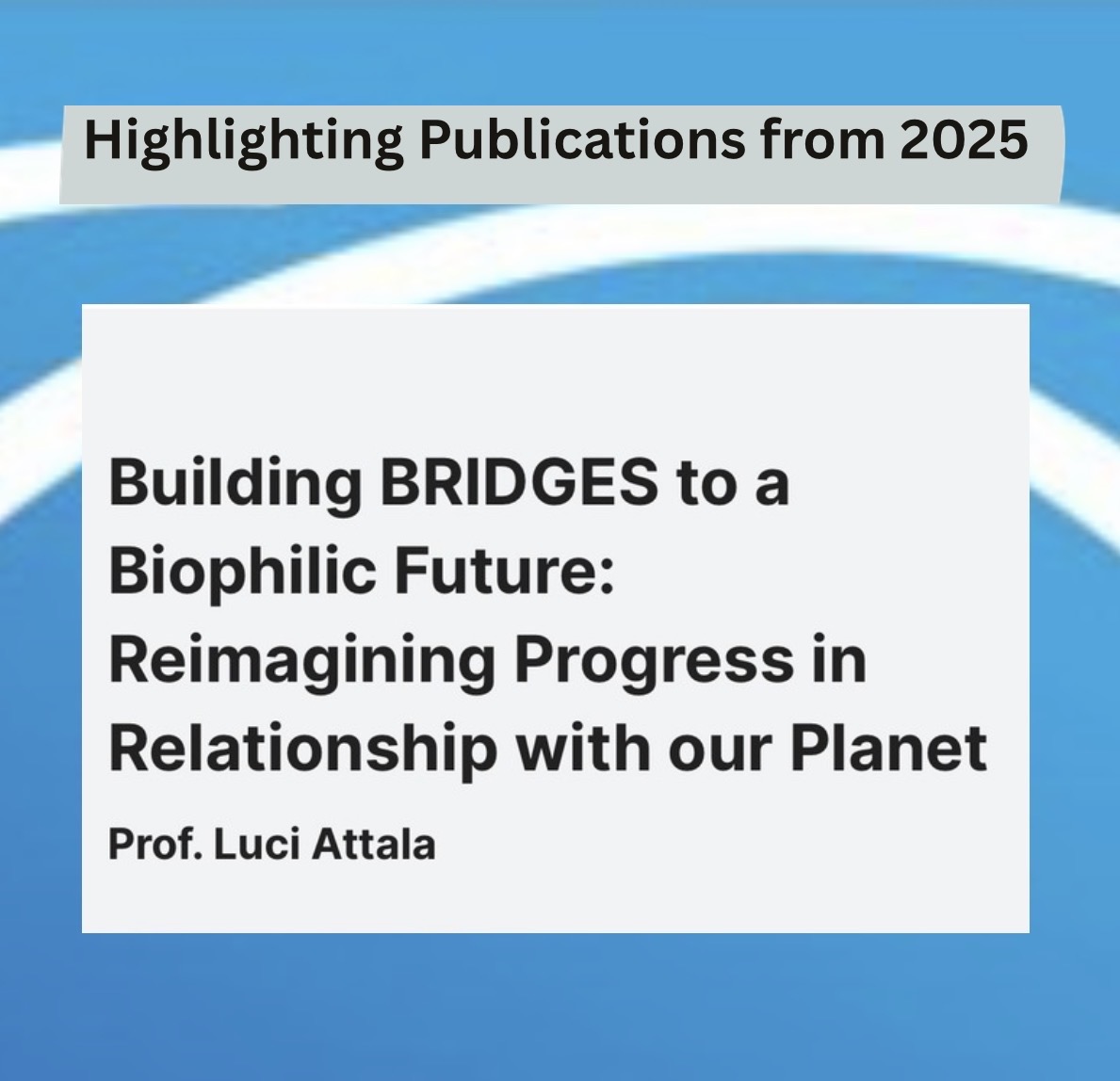
Highlighting Publications from 2025: Building BRIDGES to a Biophilic Future: Reimagining Progress in Relationship with our Planet

We are pleased to highlight a significant contribution to the global dialogue on sustainability and progress, by Prof. Luci Attala, Deputy Executive Director of UNESCO-MOST BRIDGES. This compelling thought piece titled “Building BRIDGES to a Biophilic Future: Reimagining Progress in Relationship with our Planet” featured in UNESCO’s Futures Literacy and Foresight Collection, challenges the traditional metrics of success and offers a transformative framework for navigating our current era of "poly-crises."

Highlighting Publications from 2025: For the Love of the Sea: Technocratic Environmentalism and the Struggle to Sustain Community-Led Aquaculture

This publication explores the internal dynamics of Câr-y-Môr, Wales’s first community-owned regenerative ocean farm. The authors argue that sustainability governance in small-scale aquaculture is primarily driven by the relational, ethical, and temporal labour of the practitioners themselves. The research highlights a fundamental tension in modern environmental management: the "technocratic environmentalism" of audits and standardised reporting often fails to align with the lived reality of marine labour, the shifting rhythms of tides, unpredictable weather, and the physical demands of the sea.

We use cookies to personalize content and to analyze our traffic. Please decide if you are willing to accept cookies from our website.