Latest News

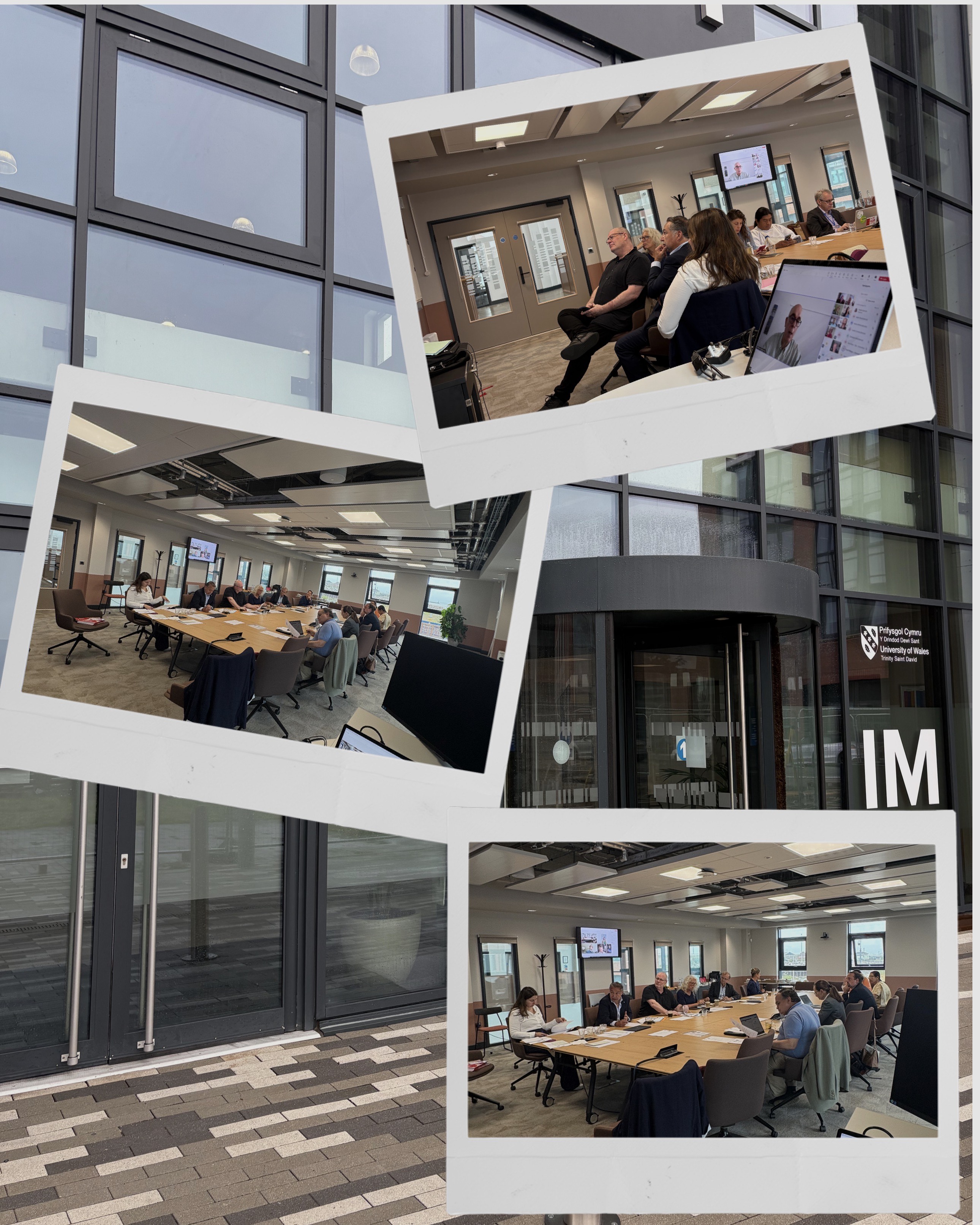
General Assembly & Governing Council Meetings

In July 2025, BRIDGES held its General Assembly, in Swansea, Wales, involving an inspiring full public programme on the 16th, at the Dylan Thomas Centre; followed by the third meeting of the BRIDGES Governing Council and second meeting of the BRIDGES General Assembly, on the 17th, at the Innovation Matrix (IM) Conference room, University of Wales Trinity Saint David. These meetings, chaired by Gustavo Merino, Director of Social Policies, UNESCO, gathered our global coalition members, Governing Council members, UNESCO colleagues, and staff from our global BRIDGES Hubs and International Programme Office (IPO).
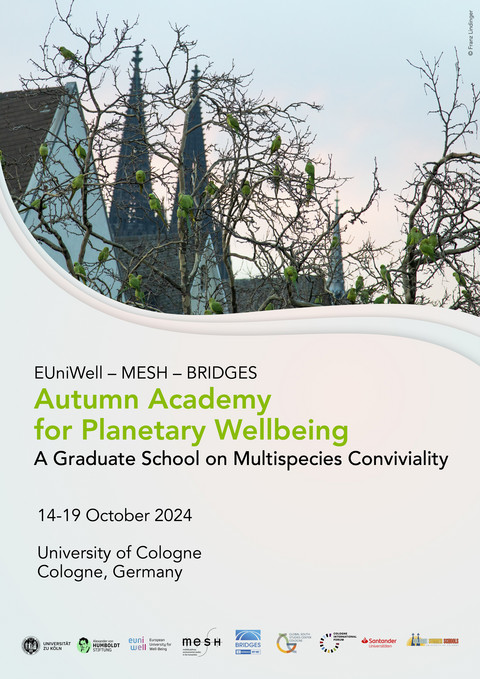
New MESH Leaves "Project Reports" published!

The new MESH Leaves showcasing the group projects created by participants in the EUniWell MESH BRIDGES Autumn Academy for Planetary Wellbeing last October have been recently published!

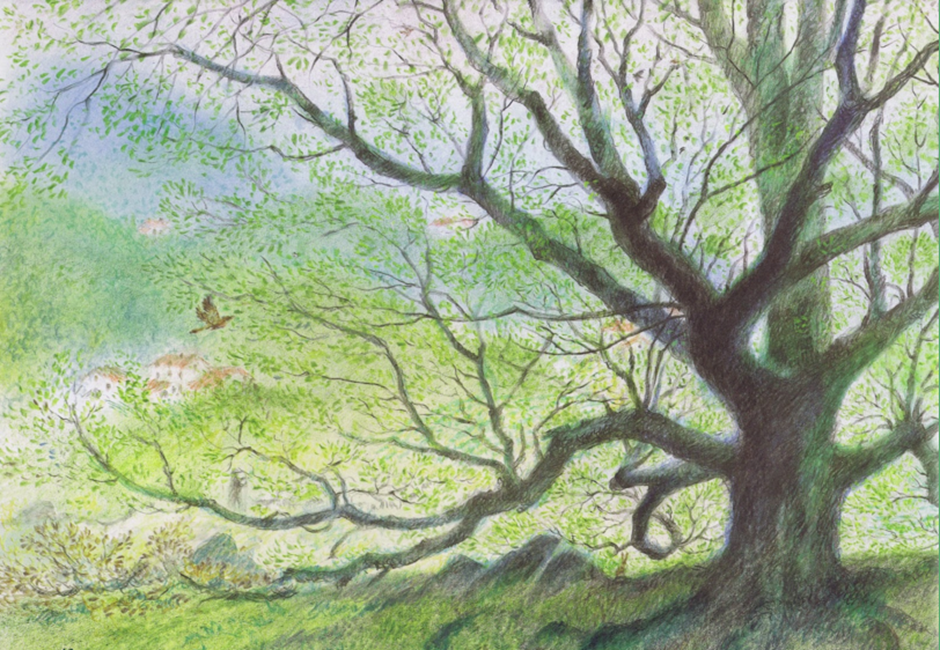
The Man Who Planted Trees and How to Blow Up a Pipeline: Environmental messages from two extremes!

Author: Debby Mercer. The communication of the climate crisis takes many different forms. Both The Man Who Planted Trees and How to Blow up a Pipeline are based on books and have a strong environmental message but are delivered in very different ways. While The Man Who Planted Trees has beautiful animation and a feel-good narrative with hope and positivity throughout, How to Blow up a Pipeline is a dark and gritty dramatization, questioning the validity and morality of extreme actions like property damage and terrorism.

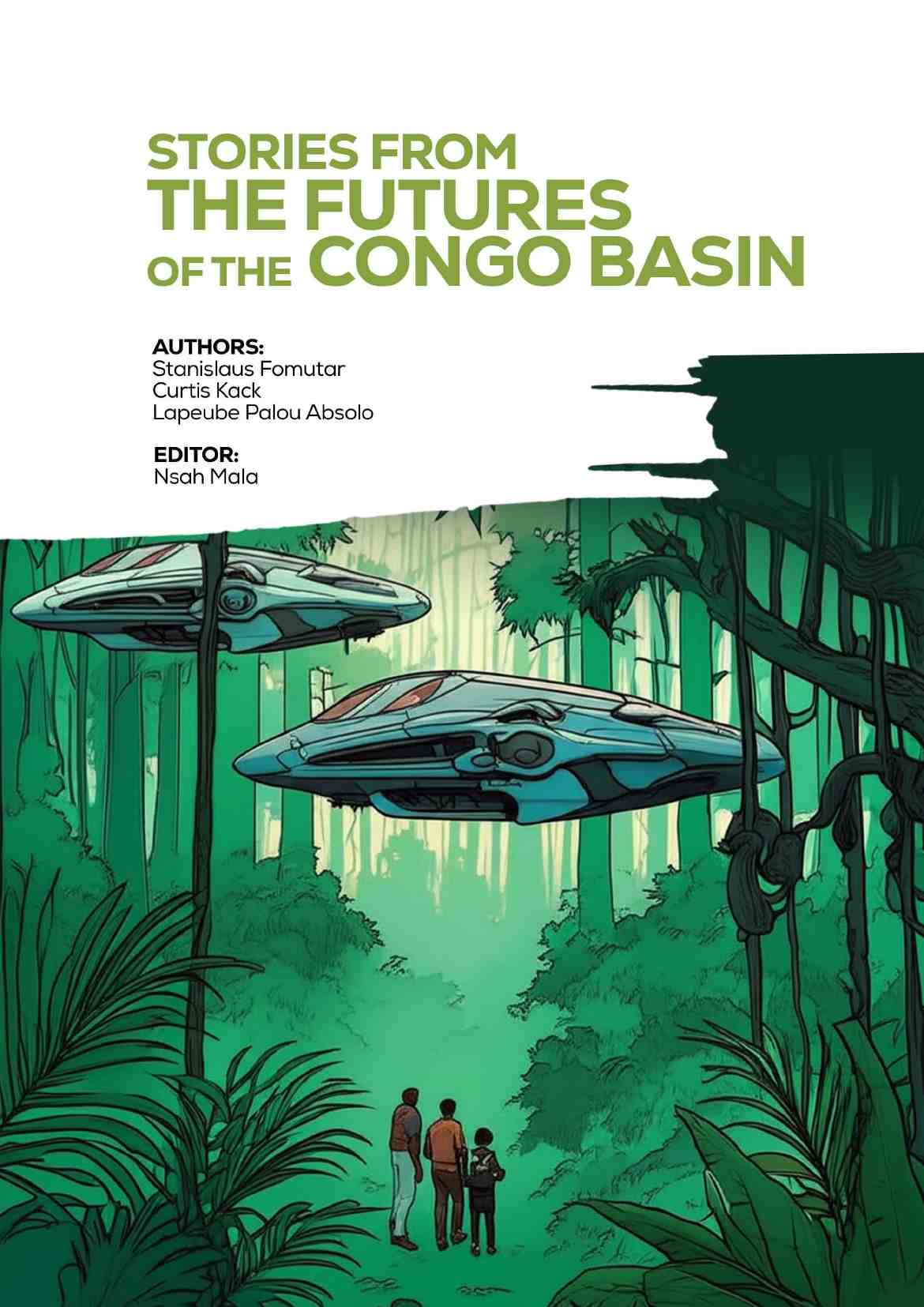
Stories from the Futures of Congo Basin

Author: Dr Nsah Mala. Stories from the Futures of Congo Basin is a project by BRIDGES Hub for Planetary Wellbeing, University of Cologne, Coordinator and 2023 NGFP Judges’ Choice Fellow Dr Nsah Mala.

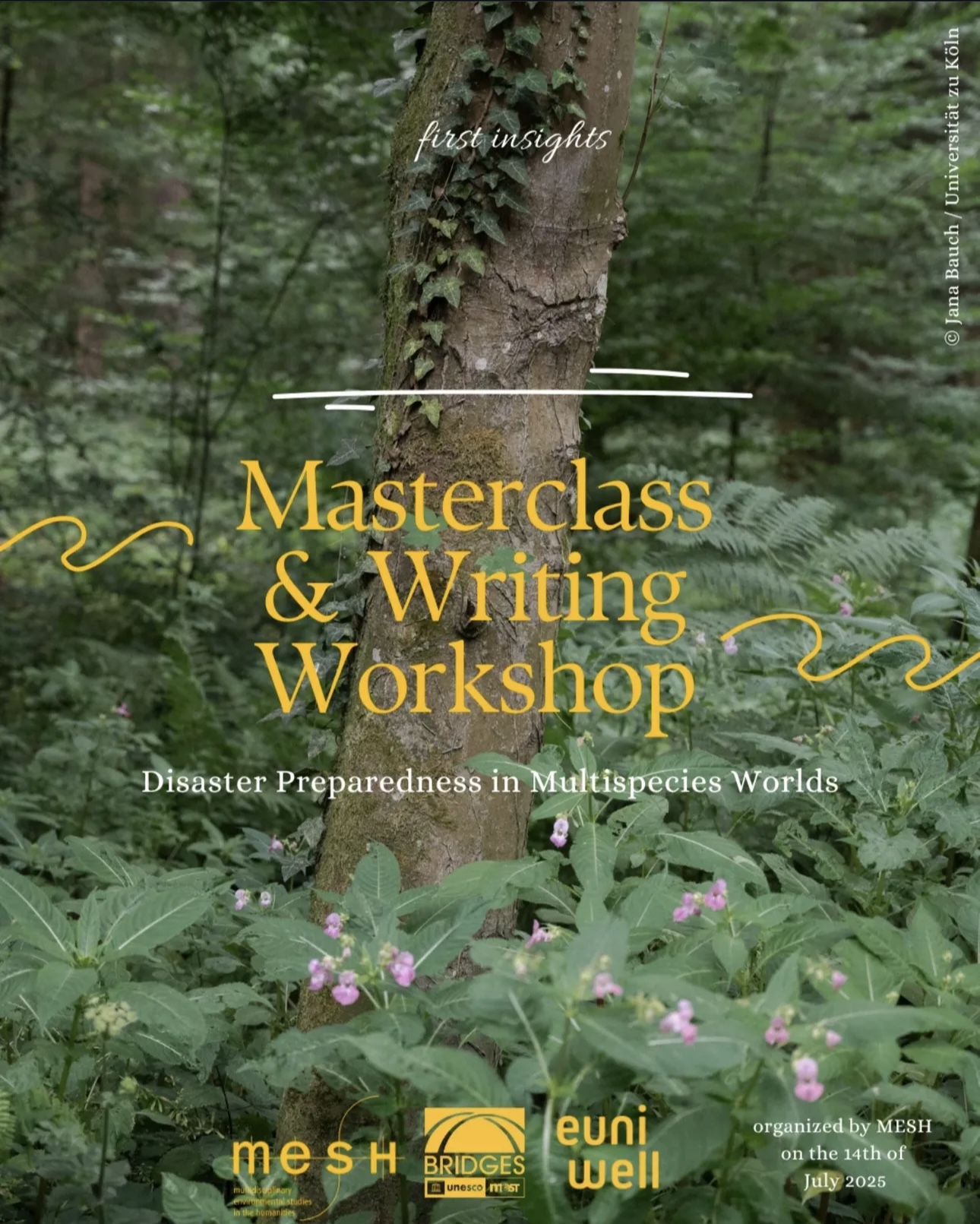
INSIGHTS from the MESH Masterclass & Writing Workshop

What does it mean to write about disaster in a world shared with trees, beetles, moss, and microbes? On July 14 025, a group of students, scholars, and writers stepped into the forest—and onto the page—to explore how fieldwork becomes fiction, and how storytelling can carry multispecies voices through fire, threat, and transformation.

We use cookies to personalize content and to analyze our traffic. Please decide if you are willing to accept cookies from our website.