Latest News

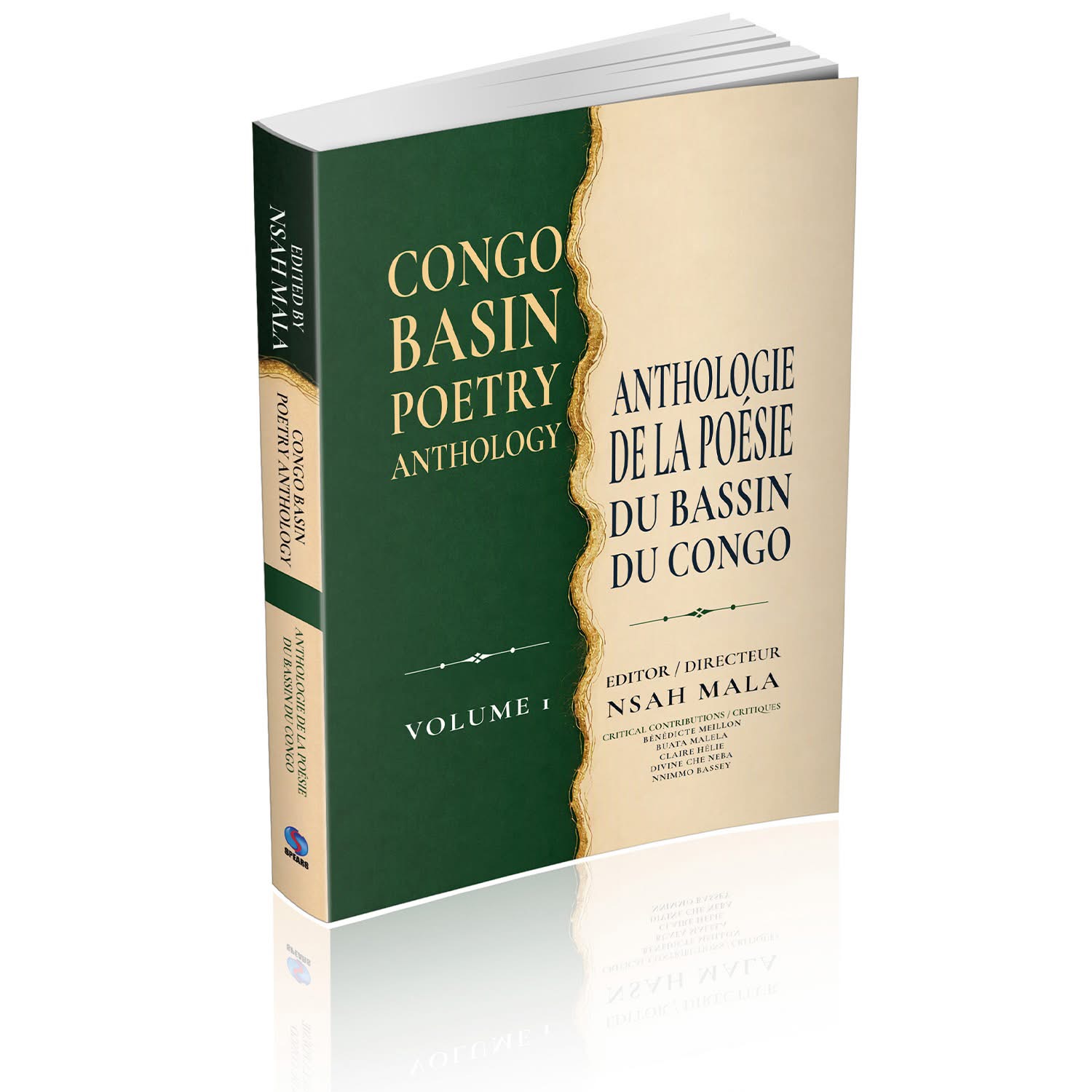
Congo Basin Poetry Anthology / Anthologie poétique du Bassin du Congo

We are pleased to highlight a recent publication edited by Nsah Mala, our Cologne Hub for Planetary Wellbeing Co-ordinator - Congo Basin Poetry Anthology / Anthologie poétique du Bassin du Congo. Dedicated to the tropical rainforest ecosystem of the Congo Basin, poems range across celebration of nature, meditation on the forest's ecological fate, and strong denunciation of neocolonial and green-colonial resource exploitation.
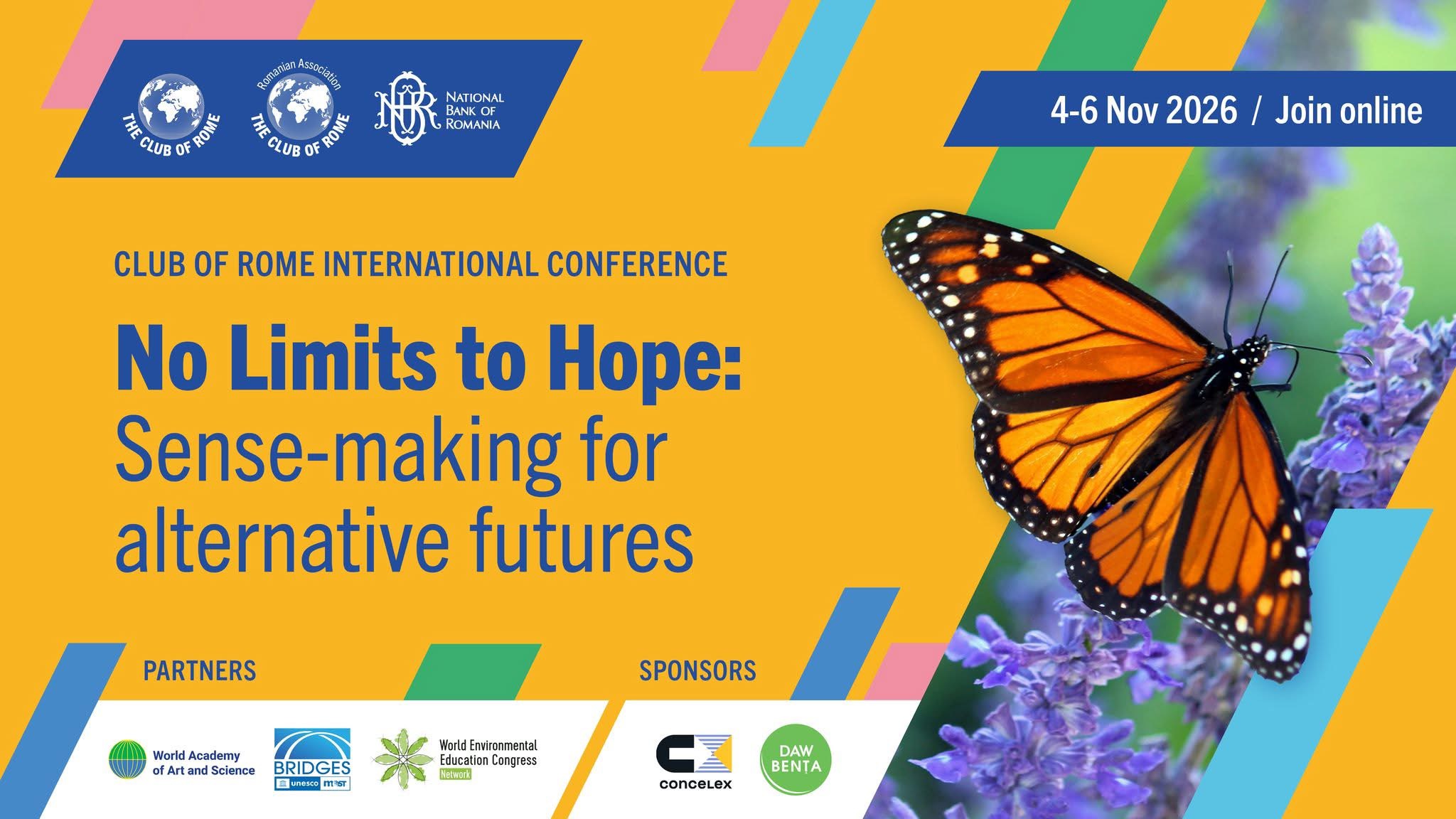
The No Limits to Hope Conference – join online!

UNESCO-MOST BRIDGES is proud to support this event as a partner with the World Academy of Art and Science, and WEEC. From 4-6 November 2026, global leaders, academics and practitioners will come together at the National Bank of Romania with the Club of Rome and The Club of Rome - Romanian Chapter - ARCoR to discuss bridging knowledge and action, reimagining education and building a regenerative future.

“A Time of Great Consequence”: A Unified Call to Mobilise Knowledge for Action

The opening line of the “A Time of Great Consequence” manifesto cuts straight to the core: "We are living in a time of great consequence. We act as if we are not." Published jointly by the BRIDGES Coalition within UNESCO's MOST programme; Arizona State University’s Julie Ann Wrigley Global Futures Laboratory; and The Club of Rome; this manifesto calls for the synthesis of diverse knowledge systems to drive collective action for the common good of people and planet. It establishes a foundational vision for integrated governance—aligning policy with social justice, sustainability, and planetary belonging.

Humanities Perspectives On Climate Modelling Can Help To Identify Limits And Opportunities For Understanding Climate Change (BRIDGES Cologne Policy Insights #5)

Research in the Environmental Humanities recognises the need for better cooperation and concerted collaboration between the sciences and the humanities when it comes to understanding, assessing and ameliorating current and emerging environmental crises. This research identifies critical root causes, underlines the role of imaginaries, norms and values, and mobilises knowledge on the import of language and narrative as well as artistic expression in order to assemble more diverse and robust understandings of what it means to live in a world of polycrisis, and to develop novel solutions or pathways for safeguarding or restoring planetary co-habitability.

We use cookies to personalize content and to analyze our traffic. Please decide if you are willing to accept cookies from our website.