New MESH Youtube Channel
MESH is excited to announce the launch of their very own Youtube channel! It will feature recorded lectures held at their symposia or as part of their Research Fruits lecture series.
Latest News: BRIDGES Four Strategic Objectives (2026-28)...


MESH is excited to announce the launch of their very own Youtube channel! It will feature recorded lectures held at their symposia or as part of their Research Fruits lecture series.
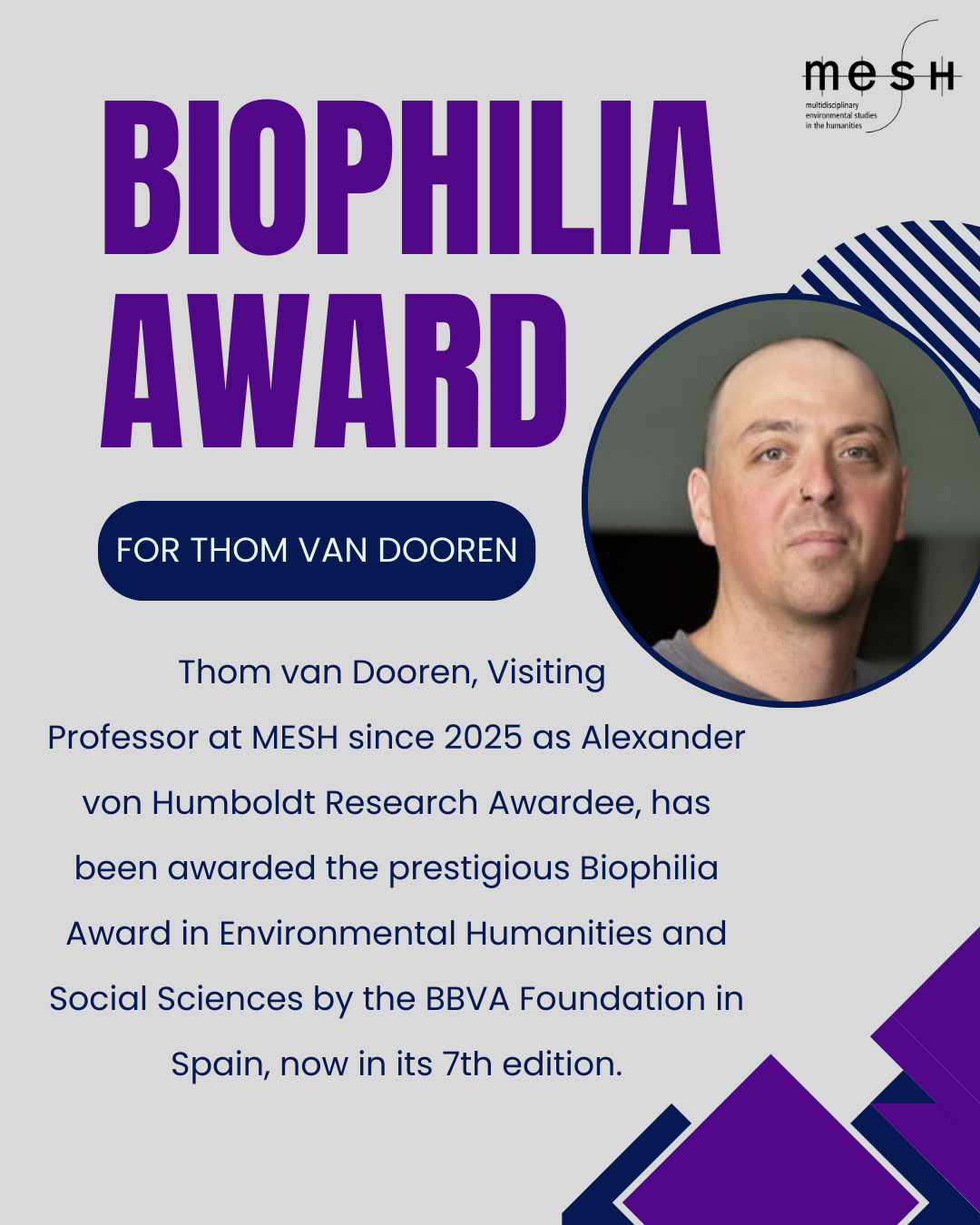
The BBVA Foundation recognizes philosopher Thom van Dooren for his contributions to understanding and addressing species extinction from the perspective of the environmental humanities. The UNESCO-MOST BRIDGES Hub for Planetary Wellbeing, University of Cologne, and the wider coalition, are proud to celebrate this remarkable recognition of Thom's vital contributions to deepened understanding of the meaning, significance and ethical implications of biodiversity loss.
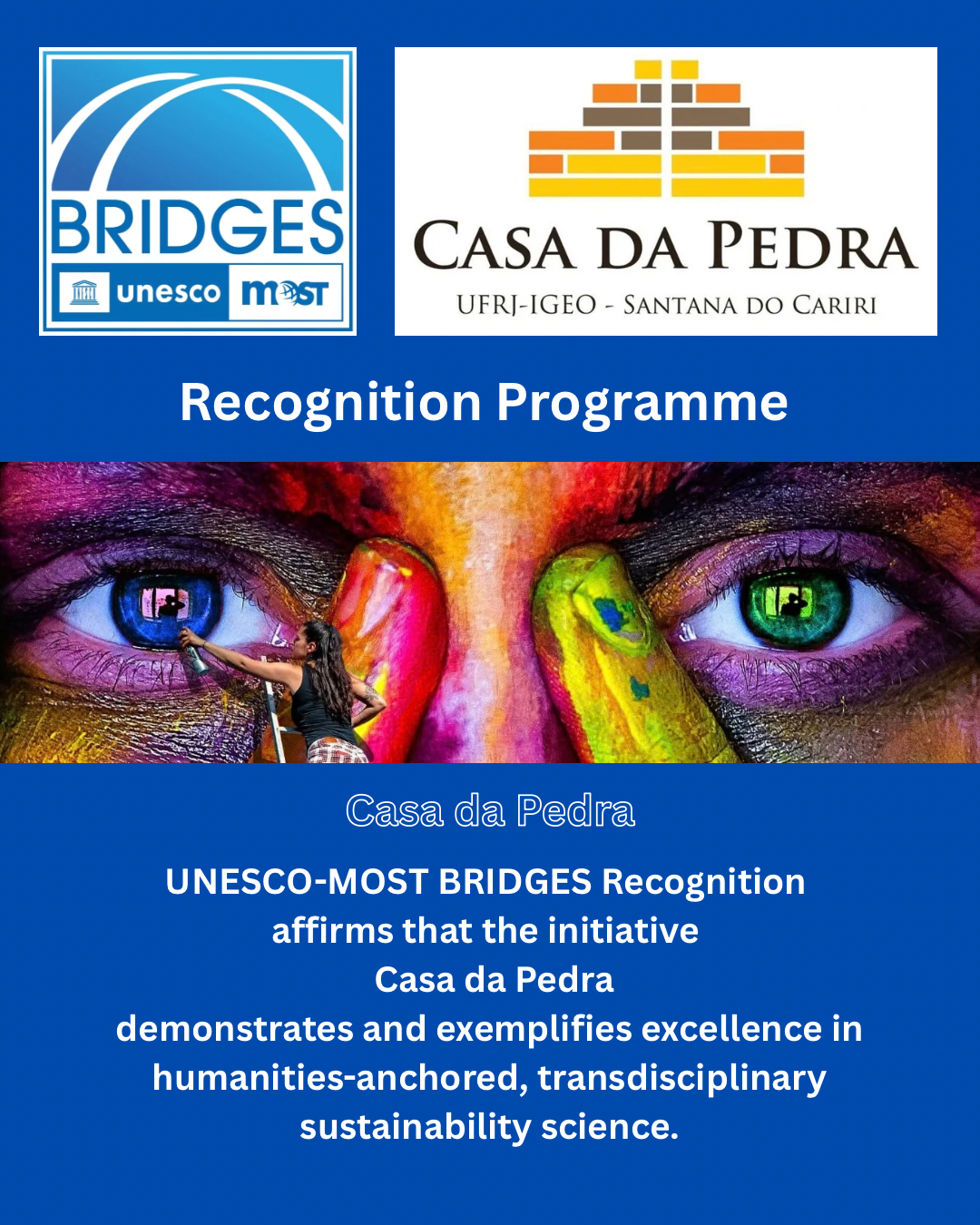
The UNESCO-MOST BRIDGES Coalition is proud to announce the formal recognition of The Casa da Pedra (Stone House) Initiative as an outstanding example of humanities-anchored, transdisciplinary sustainability science.
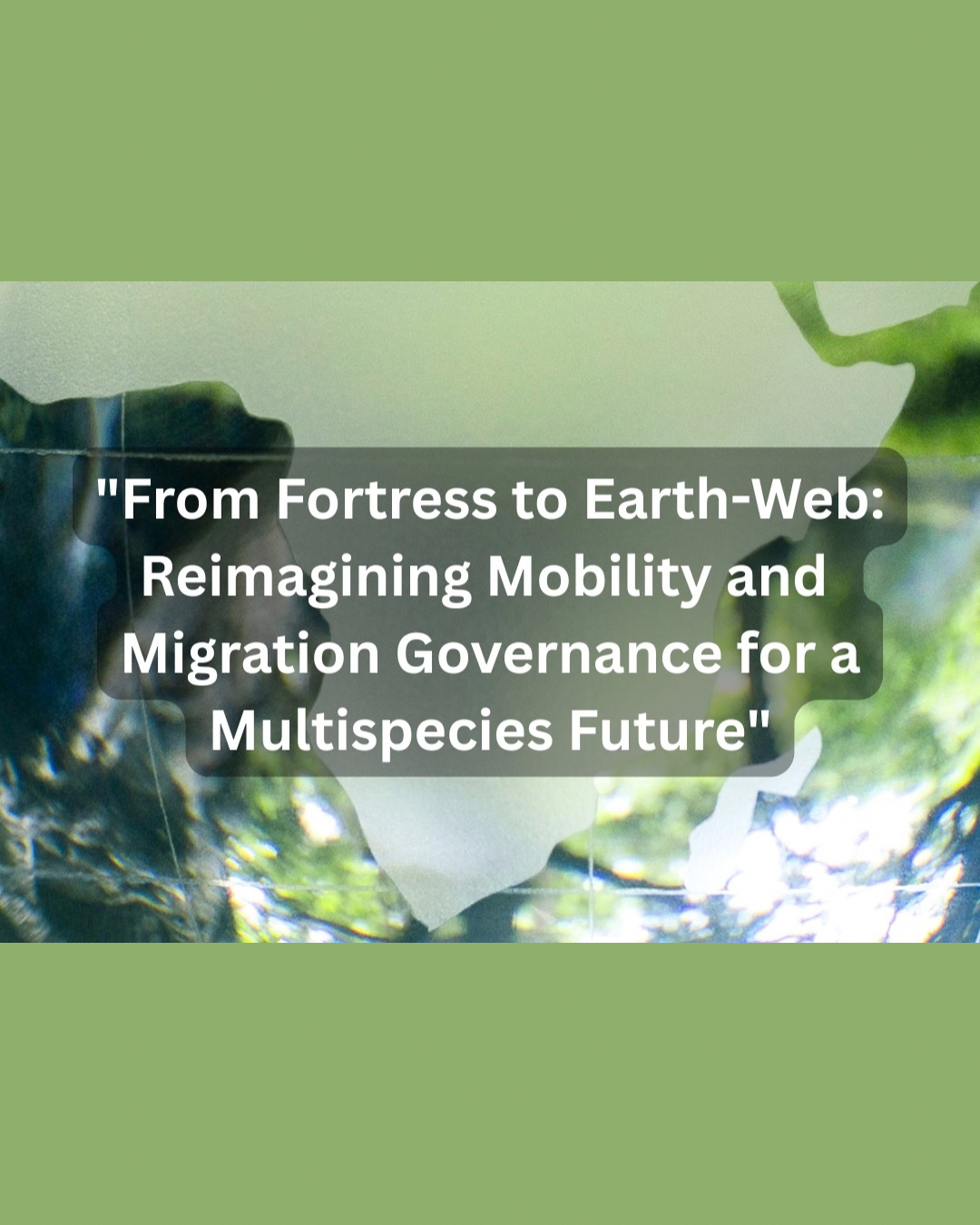
In their blog post titled "From Fortress to Earth-Web: Reimagining Mobility and Migration Governance for a Multispecies Future" Dr. Christoph Lange and Dr. Nsah Mala, BRIDGES University of Cologne Hub, give some insights from their panel on Inclusion & Exclusion in the Perspective of Environmental (In)justice held during the DiaMiGo II Summer Research Academy 2025.

As part of our ongoing series highlighting publications from 2025, we are spotlighting a publication that digs deep into the roots of Welsh heritage and the "tacit" knowledge held within the hands of traditional makers. "Weaving Lost Traditions: A Comparative Transdisciplinary Reconstruction of a Welsh Cleft Hazel Basket" offers a profound look at how we preserve, and sometimes fail to fully capture, heritage crafts; which are rooted in tradition sustained by a community in constant dialogue with its environment. This research uses Welsh cleft hazel basketry as a lens to explore the gap between technical instruction and the deep, place-based expertise of traditional craftspeople.