Posted in Blog, Coastal Tales News, UWTSD Hub News on Sep 30, 2026.
Author: Gareth Thomas
For generations, dating back at least the 12th Century, coracle fishing has been part of the food culture of west Wales. On the River Tywi (English “Towy”), fishermen work in pairs from small, lightweight boats, drawing a net between them after dark and relying on an extraordinary knowledge of the river, its currents, tides and fish. This is not simply a method of catching food. It is a body of knowledge and skill passed between generations, connecting families, communities and livelihoods to a particular place. West Wales Coracle Caught Sewin and West Wales Coracle Caught Salmon were awarded protected geographical status in 2017, recognising this close relationship between food, landscape and local tradition.
Today, however, this living food tradition is in danger of disappearing. Salmon and sewin have declined dramatically as Welsh rivers face issues around pollution. The fishermen themselves have watched these changes unfold over decades. Their knowledge comes from being on the river night after night, noticing changing water levels, riverbeds, fish movements and the condition of the catch. This makes their experience important not only as cultural heritage, but as a source of environmental knowledge. That is why we felt it was important to tell the story of these fishermen in a short film as part of the Belmont Forum funded international research project Coastal TALES: Telling Adaptations; Living Environmental Stories for Coastal Resilience. The film and the accompanying academic paper, argues that people who produce food at this small scale should not simply be regarded as users of the environment to be regulated. They can also be among its closest observers and strongest advocates.
There is also a difficult question about what we mean when we say that we want to protect traditional food heritage. New heritage licensing can allow coracle fishing to continue as a cultural practice while severely restricting the catching and sale of fish. For the fishermen, that creates a troubling distinction between preserving the appearance of a tradition and sustaining the conditions that made it meaningful in the first place. A coracle displayed in a museum may preserve the object, but coracle fishing developed as work: people caught fish, sold them, fed communities and made a living. The fishermen have themselves accepted restrictions where fish stocks need protecting, and in 2026 most of the Towy netsmen voluntarily chose heritage rather than commercial licences because of concern for migratory fish. Their argument is therefore not against conservation. It is that conservation, food production and living heritage need to be thought about together, rather than treating culture as something that only becomes valuable once it has ceased to be economically useful.
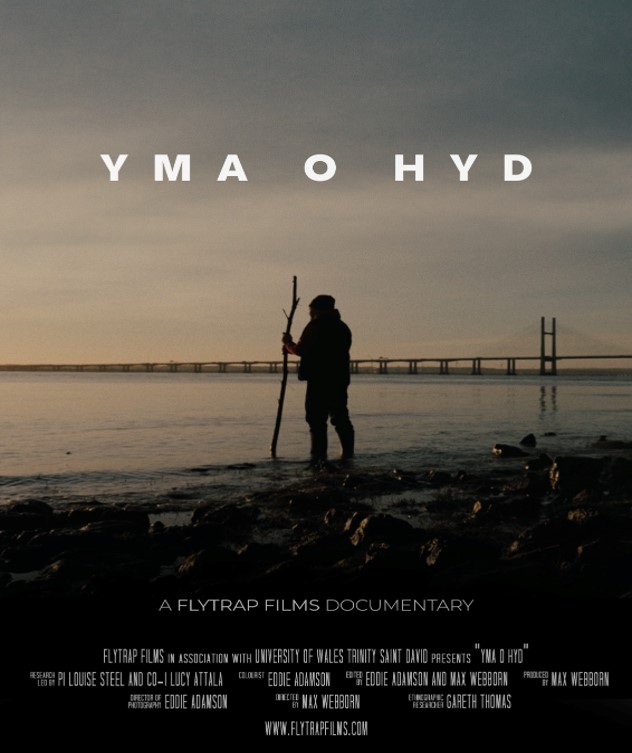
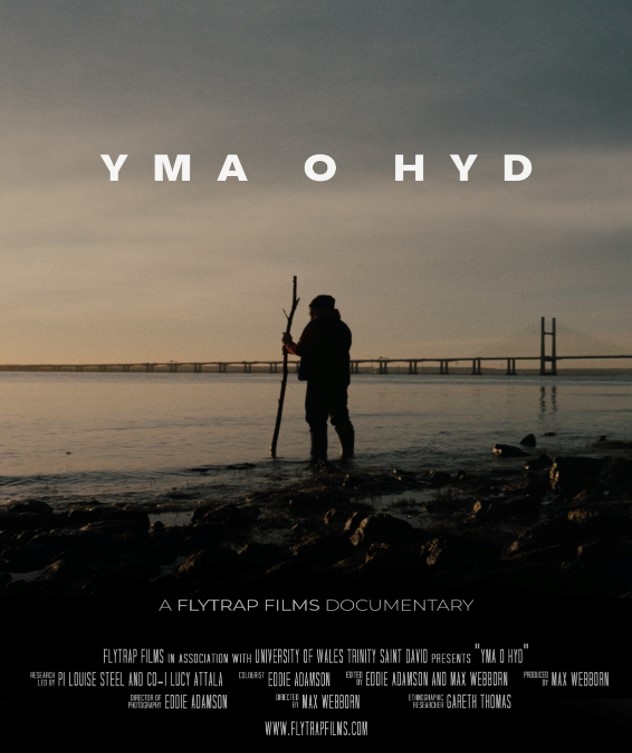
These questions are at the heart of the ethnographic film Yma o Hyd: The Ancient Art of Fishing in Wales. Yma o Hyd means “still here”, a phrase that captures both the survival and the vulnerability of this remarkable food tradition. Rather than presenting coracle and nets fishing as a picturesque survival from the past, the film allows the fishermen themselves to explain what the river, the fish and the practice mean to them, and what may be lost if the connection between food, livelihood, knowledge and place is broken. Yma o Hyd is the story of a traditional Indigenous fishery that still survives in Wales, despite the severe pressures facing our rivers. Pollution from agriculture, industry and other sources has contributed to declining fish stocks and deteriorating river health, while concern over water quality on the Tywi (English “Towy”), became so serious that the annual Carmarthen River Festival was cancelled in 2026. The film is therefore about much more than the survival of an ancient fishing practice. It asks a wider question about our food system: what does it mean to preserve local food culture if the people, skills, livelihoods and working relationships that created it can no longer continue?
Watch Yma o Hyd: The Ancient Art of Fishing in Wales here: Yma o Hyd | The Ancient Art of Fishing in Wales | Full Documentary 2026
Read the accompanying academic paper: From Practice to Artefact: Heritage Licensing and the Ontology of Coracle Net Fishing in Wales