Posted in ASU news, News, UWTSD Hub News on Nov 18, 2026.
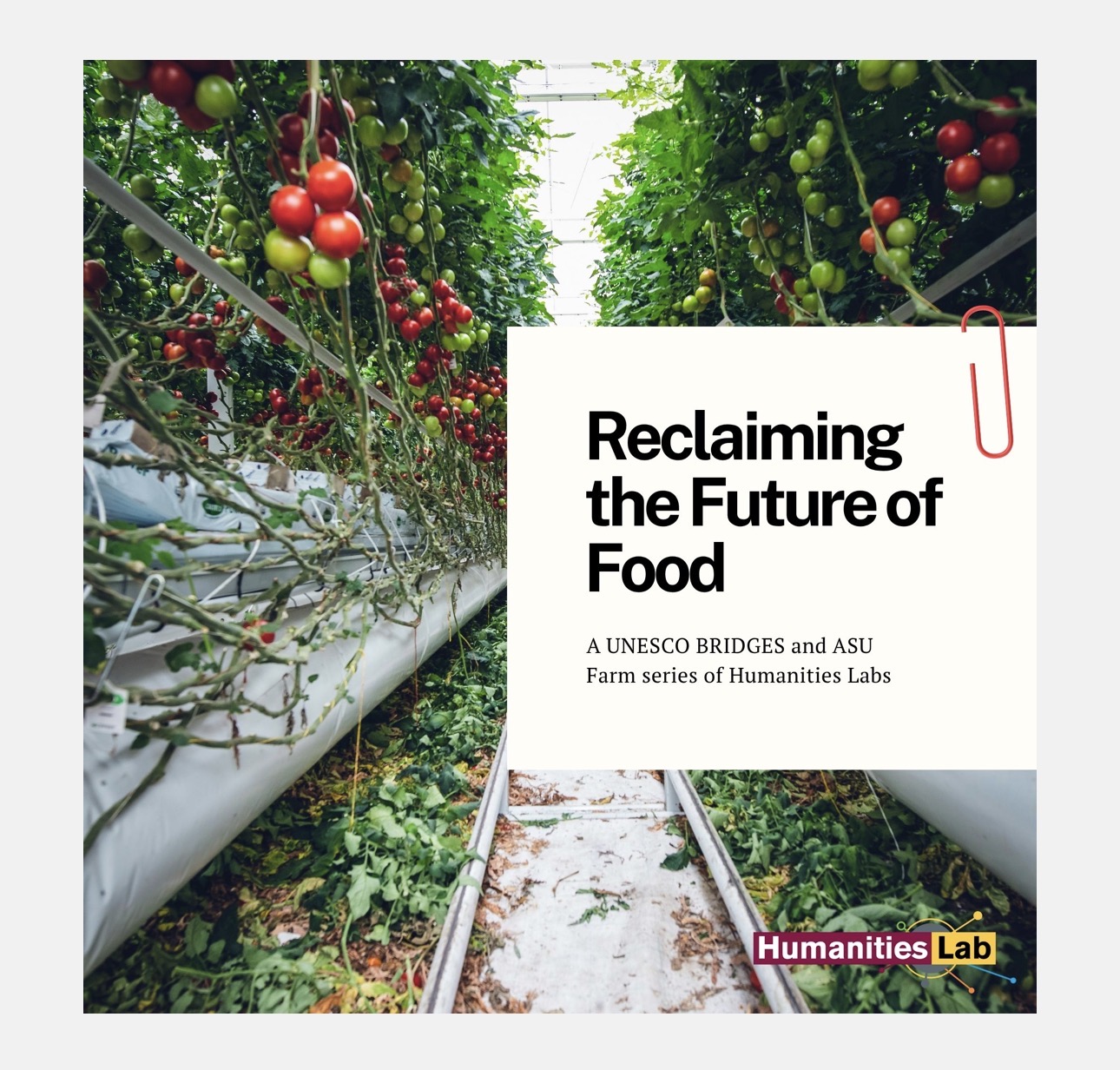
Reclaiming the Future of Food: A Transatlantic Humanities Lab Collaboration
This UNESCO-MOST BRIDGES collab (partnered with Arizona State University (ASU) Farm and involving student collaboration with peers from the University of Wales Trinity Saint David) brings together our Flagship and UK hubs to explore how food traditions from different times and places can inform the futures we choose to build.
Launching in January 2027, the Reclaiming the Future of Food Humanities Lab invites students from Arizona State University and the University of Wales Trinity Saint David to compare Indigenous food traditions in the American Southwest with revitalised Celtic foodways in Wales.
Working across institutions and communities, student teams will investigate several core questions:
What can we learn about sustainable relationships among food, land, and environment by comparing food traditions across cultures and time?
How can cultural knowledge and speculative stories help communities imagine and shape more sustainable futures?
What responsibilities do present generations hold toward future generations?
How can research, policy, and community action work together to support sustainable food futures, and what might flourishing future food systems look like?
Throughout the programme, students will translate their research into public-facing projects that connect historical knowledge with contemporary food challenges, sharing their findings with the general public in a format of their choosing. ASU Participants will also have the option to extend this international collaboration through a Global Intensive Experience to England and Wales.
To find out more about this collaboration and explore other upcoming Labs in the Humanities Labs series, visit the Reclaiming the Future of Food Humanities Lab page or the Humanities Lab homepage.