


Posted in Blog, Coastal Tales News, UWTSD Hub News on Oct 07, 2026.
Author: Gareth Thomas
It is not every day that you set off from Wales in the middle of the night, bound for Kodiak Island in Alaska with two traditional Welsh coraclemen. But that was exactly what I was doing in August 2026. After four flights and around 36 hours of travelling, we landed at a small local airport to meet our American research colleagues and their Alutiiq partners. Somewhere among our luggage, carefully carried across several thousand miles, was a miniature traditional coracle made by one of the last people in Wales still making them. We unwrapped it in airport car park and breathed a sigh of relief, the fragile miniature boat had made it.
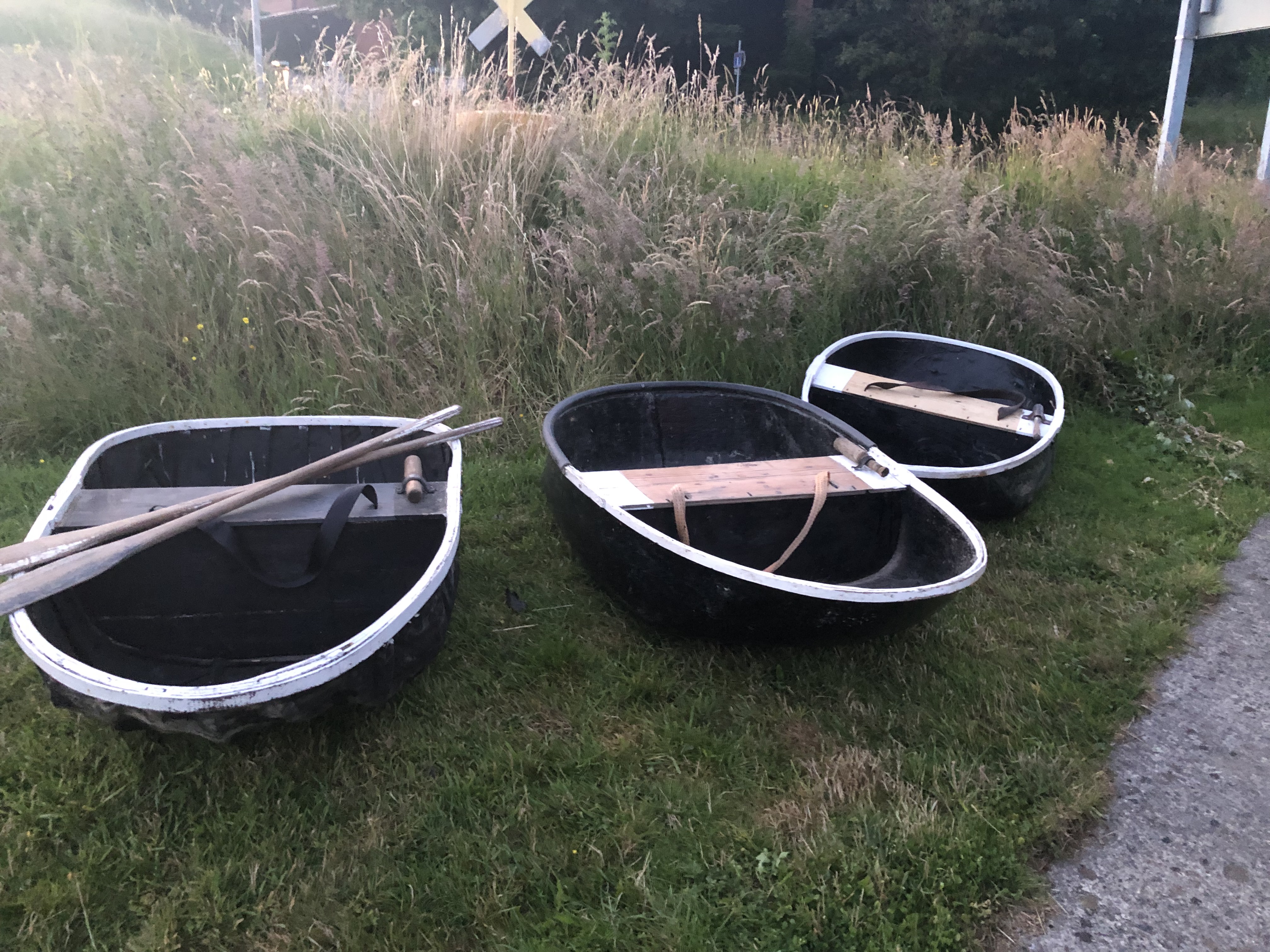
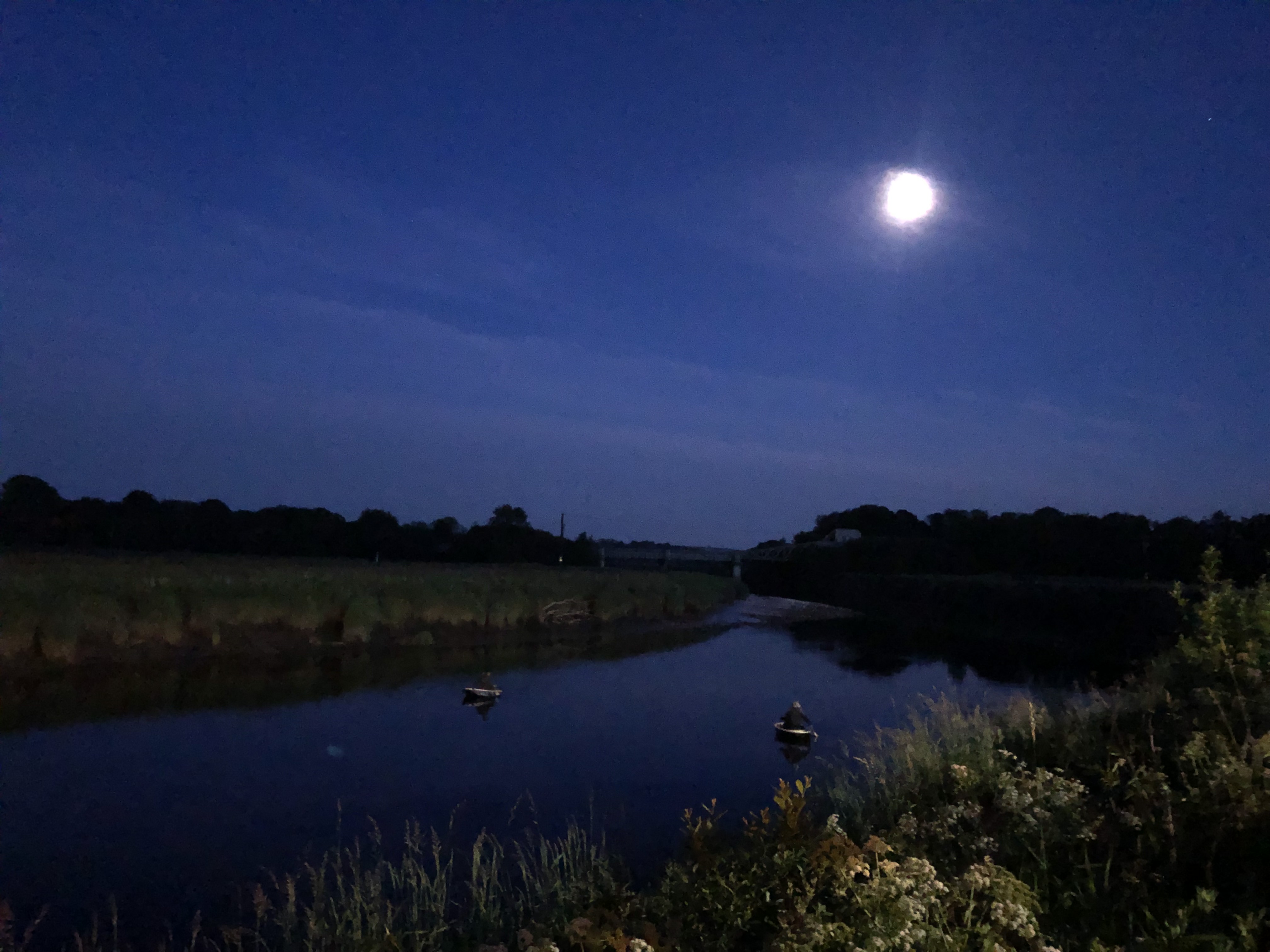
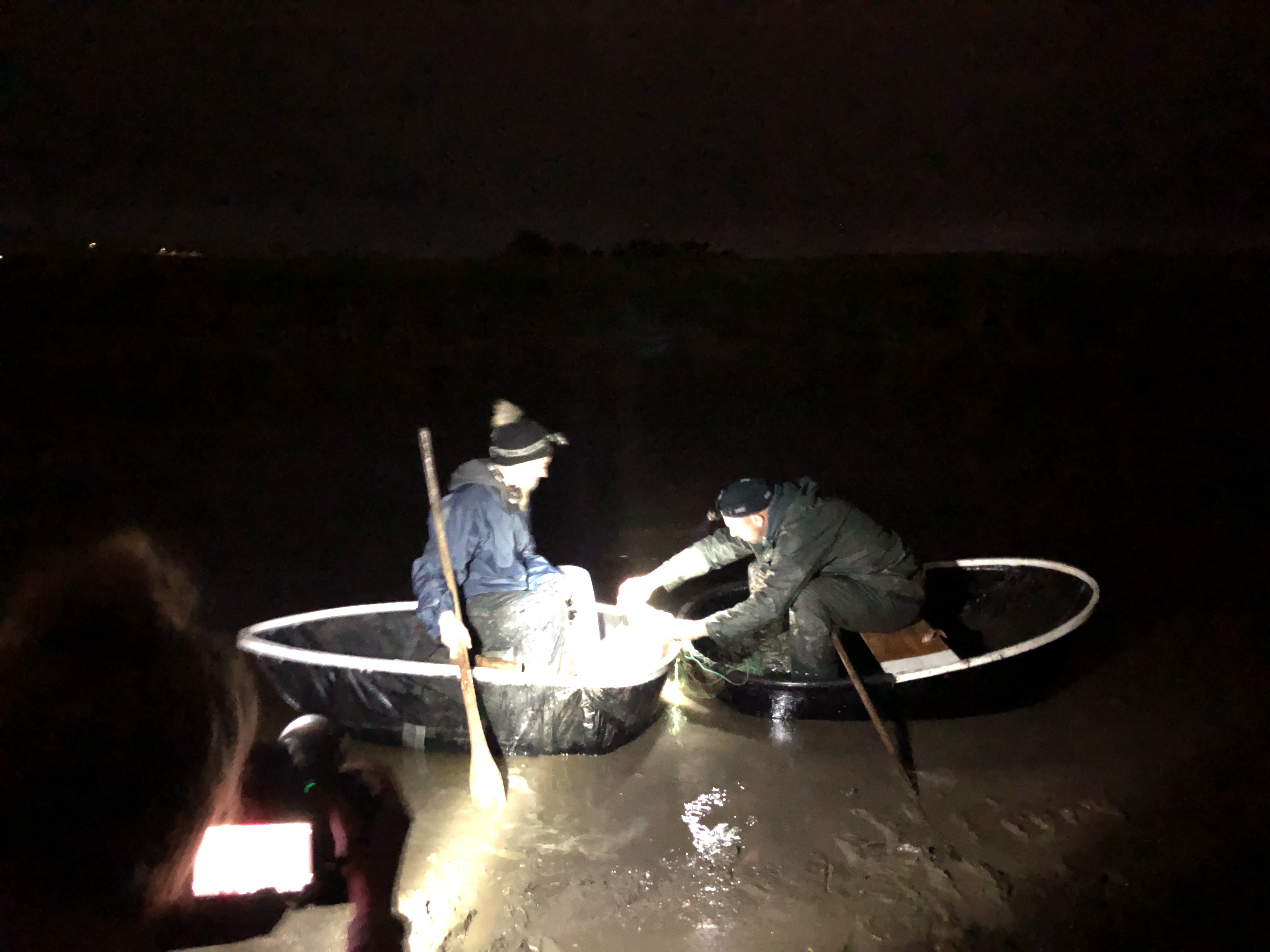
I had been working with the Towy coraclemen for more than two years. Much of that research took place on the river itself, often in the middle of the night, accompanying them as they fished for Sewin and Salmon. I watched them work in pairs from small, round coracles, drawing a net between them as they moved down river. It is an ancient Welsh form of fishing, but one that depends on extraordinary skill and generations of accumulated knowledge: how to control an unstable boat, read the current, judge where fish will move and most importantly, to feel through the net what is happening beneath the water.
But I soon realised that understanding coracle fishing meant spending almost as much time away from the river as on it. The fishery is now under enormous pressure. Salmon and sewin stocks have collapsed, water quality has deteriorated and the fishermen have become increasingly concerned about pollution and the condition of the river. Because they are out on the Towy at night, often when almost nobody else is there, they notice changes that others may not see. They have watched it change, they have seen and recorded the pollution events that nobody else sees.
So, my fieldwork increasingly took me into meeting rooms as well as onto the water. I sat beside the coraclemen in meetings with the council, Natural Resources Wales, Welsh Government officials, Members of the Senedd and MPs, and listened as they repeatedly tried to persuade those in power to take their observations seriously. What surprised me most was how much of their time was now devoted to defending the river and the fishery rather than simply fishing it. Their relationship with the Towy is about far more than catching fish. It is about responsibility for a place they know exceptionally well and concern for what will remain for the next generation.
Even so, I had never imagined that following the coraclemen would eventually mean following two of them halfway around the world. The journey had its origins in Coastal TALES: Telling Adaptations: Living Environmental Stories, an international research project funded by the Arts and Humanities Research Council (in the UK) through the Belmont Forum’s Climate and Cultural Heritage joint call. The project brings coastal communities in Wales, Ireland and Alaska into conversation about environmental change, traditional knowledge and the future of coastal ways of life. That idea sounds simple enough. In practice, creating meaningful conversations between communities separated by thousands of miles is rather more difficult.
The previous year, our American and Irish colleagues had travelled to Wales. We took them to the community owned seaweed and shellfish farm Câr y Môr near St Davids and introduced them to the coraclemen at the small coracle museum on Carmarthen quay. Those meetings began to reveal connections none of us had entirely anticipated. The relationship continued after the American team returned home. We organised an online conversation between Alutiiq community members in Alaska and the traditional fishermen we had been working with in Wales. We were not entirely sure how it would go. The communities were separated by thousands of miles, their histories were profoundly different, and the scale on which they fished could hardly have been more different. But once the fishermen began talking, the distance between them seemed rather less important.
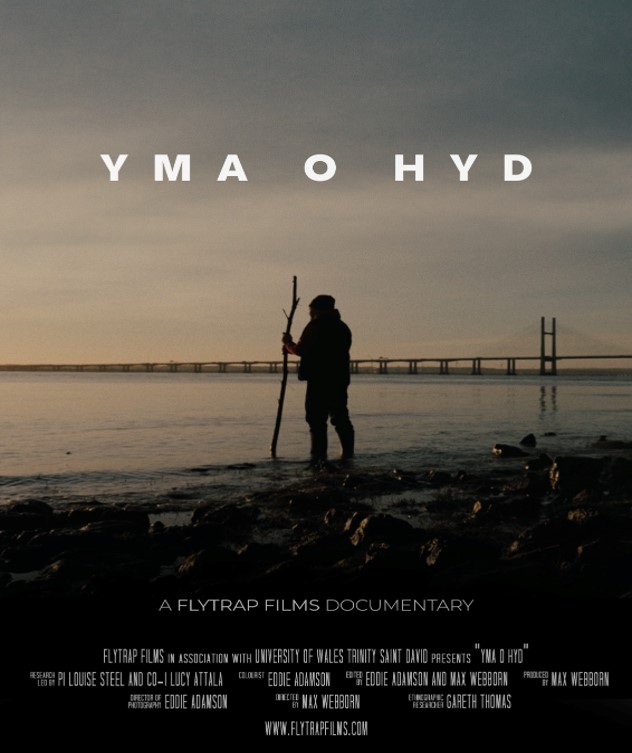
They talked about salmon. They talked about declining fish stocks, environmental change and regulation. They talked about what happens when people who have spent their lives observing local waters feel that their knowledge is ignored by the institutions responsible for managing them. And they talked about something harder to fit into the language of policy: what it means when fishing is not simply an occupation, but part of who you are. It was during that conversation that one of the Alutiiq participants (Freddie Chistiansen) suggested we should make a film about the Welsh fishermen, to record and share a way of fishing that was increasingly under threat. It was a simple suggestion, but it changed the direction of our work in Wales. Rather than producing another academic account of coracle fishing, we began thinking about how the fishermen could tell the story themselves. What does it feel like to work a river at night? What has changed during their lifetimes? Why continue when catches have fallen so dramatically? And what happens to knowledge passed down through generations if people no longer have the opportunity to practise it? The result was Yma o Hyd: The Ancient Art of Fishing in Wales.
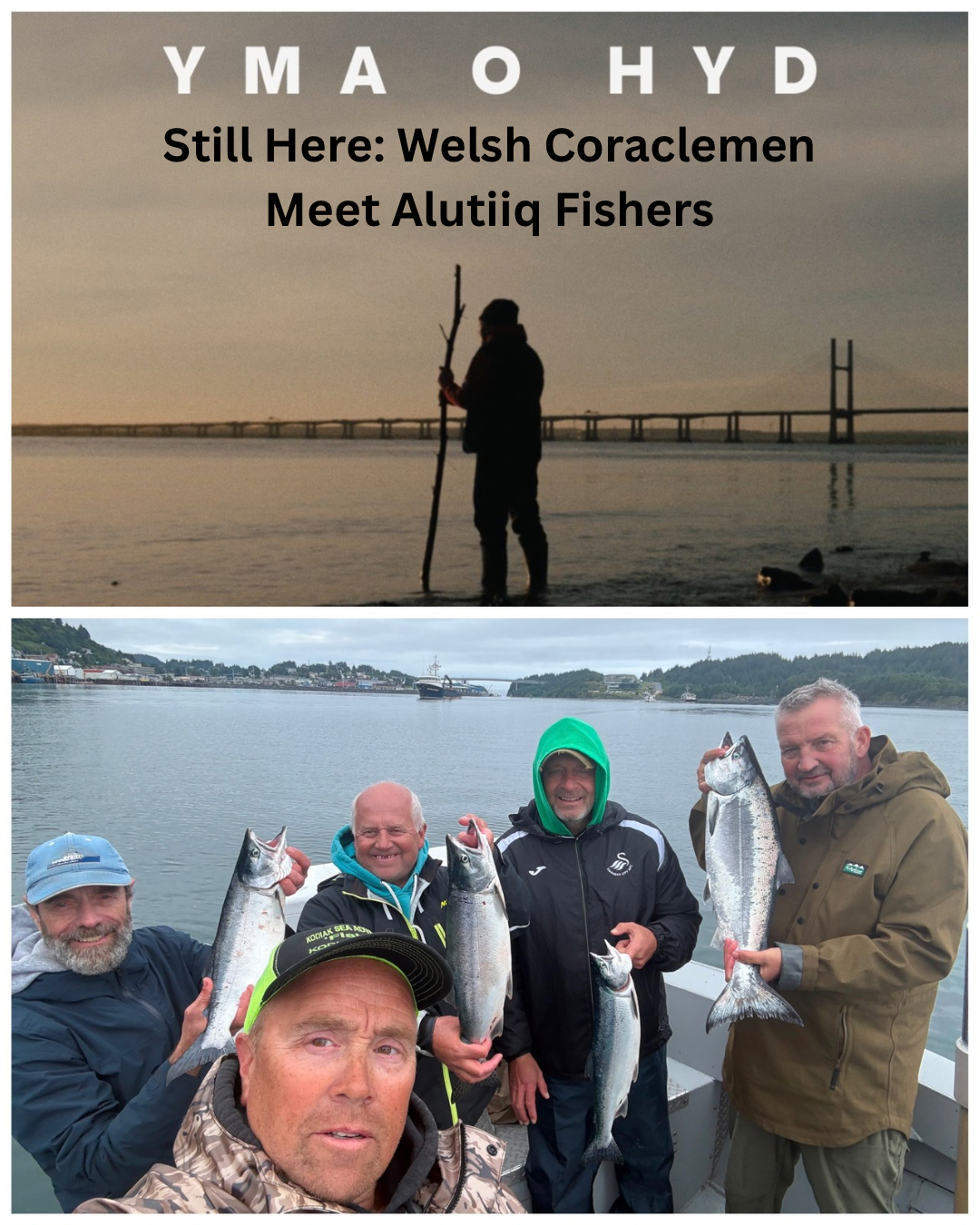
Yma o Hyd means “still here”. It seemed the right title because it captures both the extraordinary persistence of coracle fishing and its vulnerability. The fishermen are still on the river. Coracles are still being made. The knowledge is still being passed on. But there are fewer fishermen, fewer fish and fewer opportunities for the practice to continue as the working fishery it once was. Appropriately, the first public screening of Yma o Hyd took place not in Wales, at a university or a film festival, but in Kodiak, Alaska, at the Alutiiq museum, among some of the people whose original conversation had helped bring it into existence. There was something wonderfully circular about that. An idea proposed during an online conversation between fishing communities on opposite sides of the world had become a film, and now two of the Welsh fishermen featured in it had travelled several thousand miles to sit alongside the Alutiiq people who had helped inspire it and watch it together. For me, that moment captured what Coastal TALES was really trying to do.
The point was never to suggest that the experiences of Welsh fishermen and the Alutiiq were somehow the same. They are not. The Alutiiq have a history marked by Russian and US colonisation, dispossession, forced assimilation and profound cultural loss. Wales has its own history of conquest, cultural suppression and the erosion of language, local economies and traditional ways of life. These histories are not the same and should not be collapsed into one another, but they provided important points of recognition between the two communities. Both understand what it means for a way of life to be organised around fish and particular waters. Both have witnessed significant environmental change. Both have had to negotiate regulatory systems created largely outside their communities. And both ask difficult questions about who gets to make decisions concerning rivers, fisheries and marine environments, and whose knowledge is considered legitimate when those decisions are made.
Salmon sits at the centre of much of this shared experience. It is easy to forget quite how deeply salmon fishing once ran through Welsh culture. Coracles were once familiar sights on rivers across the country, part of working landscapes shaped by fishing, farming, boat making and knowledge passed between generations. Industrial pollution, mining, dams and urban development helped destroy many of those fisheries. On the Towy and Teifi, something remarkable survived. That was one reason why travelling to Alaska mattered. We wanted to learn how Alutiiq people had maintained and defended their relationships with fisheries and the waters that sustain their communities. We wanted to understand how Indigenous knowledge, fishing rights and conservation could work together, and what happens when people who know particular environments intimately have a meaningful role in deciding how they are managed.
But there was another, much simpler reason for being there. The fishers wanted to meet each other. Fishing in Alaska operates on a scale that can make the Towy seem very small indeed. The boats, distances, catches and sheer size of the landscape are very different. The political and economic histories are different too. But those differences were not a reason to stay away. They were precisely why we had come to listen. Because beneath those differences were questions everyone recognised. Who has the right to fish? Whose knowledge is taken seriously? How can communities continue fishing without exhausting the fish on which they depend? How do you protect a species without removing the people whose culture and knowledge have grown around it? And what happens when environmental regulation becomes more effective at restricting small fishing communities than at tackling the pollution and environmental damage those same communities have been warning about? These are not abstract questions for either community. They concern whether knowledge, skills and relationships built over generations will continue to have somewhere to live. That, fundamentally, is what this journey became about.
We were fortunate to spend time with staff at the Alutiiq Museum, including Molly Odell, Director of Archaeology and Special Projects; Patrick Saltonstall, Curator of Archaeology; Dehrich Chya, Director of Language and Living Culture; and Veronica Johnson, Project Coordinator. They introduced us to different aspects of the museum’s work and to the ways in which archaeology, language, cultural revitalisation and contemporary community life come together in Kodiak. We also heard directly from Alutiiq fisher Natasha Hayden and local fisher Danielle Ringer about their experiences of fishing policy, access to quotas and the ways Indigenous people have at different times been included in, or excluded from, decisions about fisheries. We visited working fishing boats, including trawlers, longliners and seine boats, and spent time on the water fishing for halibut and salmon with local Alutiiq fishermen (Mike Olsen). This was where many of the most interesting conversations happened. The boats were different. The gear was different. The scale was different. But put fishermen together and very quickly they begin talking about fish, boats, tides, regulations, who is catching what, what has changed and what government has got wrong.
That was perhaps the simplest lesson of the trip. It was about fishers meeting fishers, and men and women meeting across very different histories and landscapes. It was about discovering that people separated by thousands of miles could recognise something in one another’s experiences without pretending those experiences were identical. It was also about what can happen when research creates room for those conversations instead of simply extracting information from communities. The film was perhaps the clearest example. Nobody sitting around a university meeting table at the beginning of Coastal TALES decided that we needed an ethnographic film about Welsh coracle fishing. The idea came from an Alutiiq participant listening to Welsh fishermen talk about their lives. A conversation became an idea. The idea became a film. And eventually the film travelled back across the world with the fishermen whose story it told.
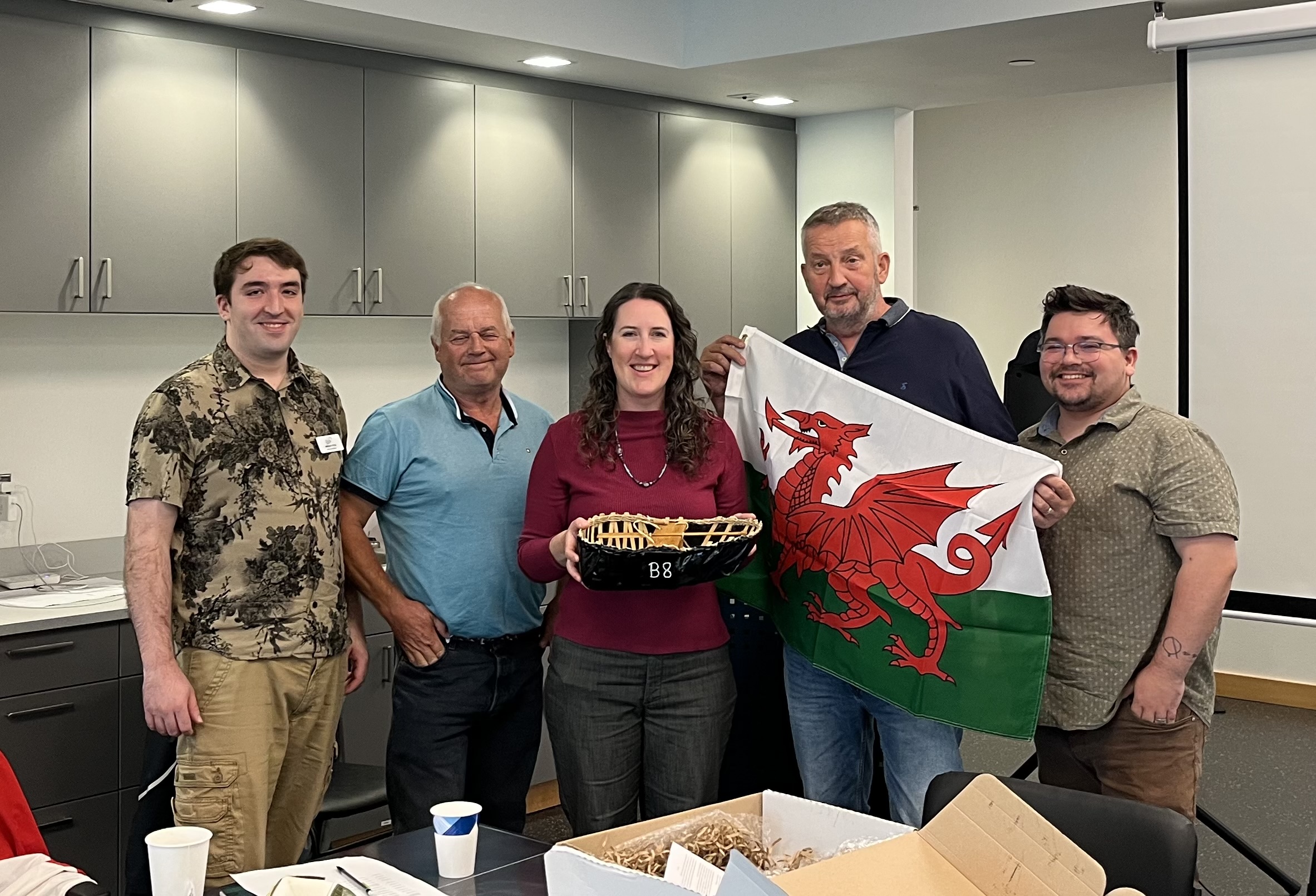
After we watched Yma o Hyd, Len Walters and Andrew Davies, the two coraclemen I had travelled with, answered questions about the film, coracle fishing and the future of the Towy fishery. Then we unpacked the miniature coracle that had survived four flights and several thousand miles in our luggage and presented it to our hosts at the Alutiiq Museum. It seemed an appropriate way to end our museum visit. A small Welsh fishing boat, made by hand and representing a tradition maintained over generations, was left thousands of miles from the river where that tradition survives, with another community whose own history is inseparable from fishing and the sea.
I would especially like to thank our American colleagues Ben Fitzhugh and Hollis Miller, archaeologists who have worked for many years with Alutiiq communities in the Kodiak Archipelago, exploring the long history of people’s relationships with fisheries, environmental change and colonialism. Without their commitment, organisation and generosity, this journey, and many of the conversations that came from it, would simply not have happened. It is not easy to organise a trip with such diverse interest groups separated by an ocean and half way across the world, but they managed it, and I’m so glad they did. We’d also like to thank Zachary Zeigler, who tirelessly and laboriously organised the administrative logistics, a difficult and thankless task, that made the whole trip possible.
Watch Yma o Hyd: The Ancient Art of Fishing in Wales here:
Yma o Hyd | The Ancient Art of Fishing in Wales | Full Documentary 2026
Read the accompanying academic paper:
From Practice to Artefact: Heritage Licensing and the Ontology of Coracle Net Fishing in Wales

