Posted in BRIDGES IPO news, News on May 28, 2026.
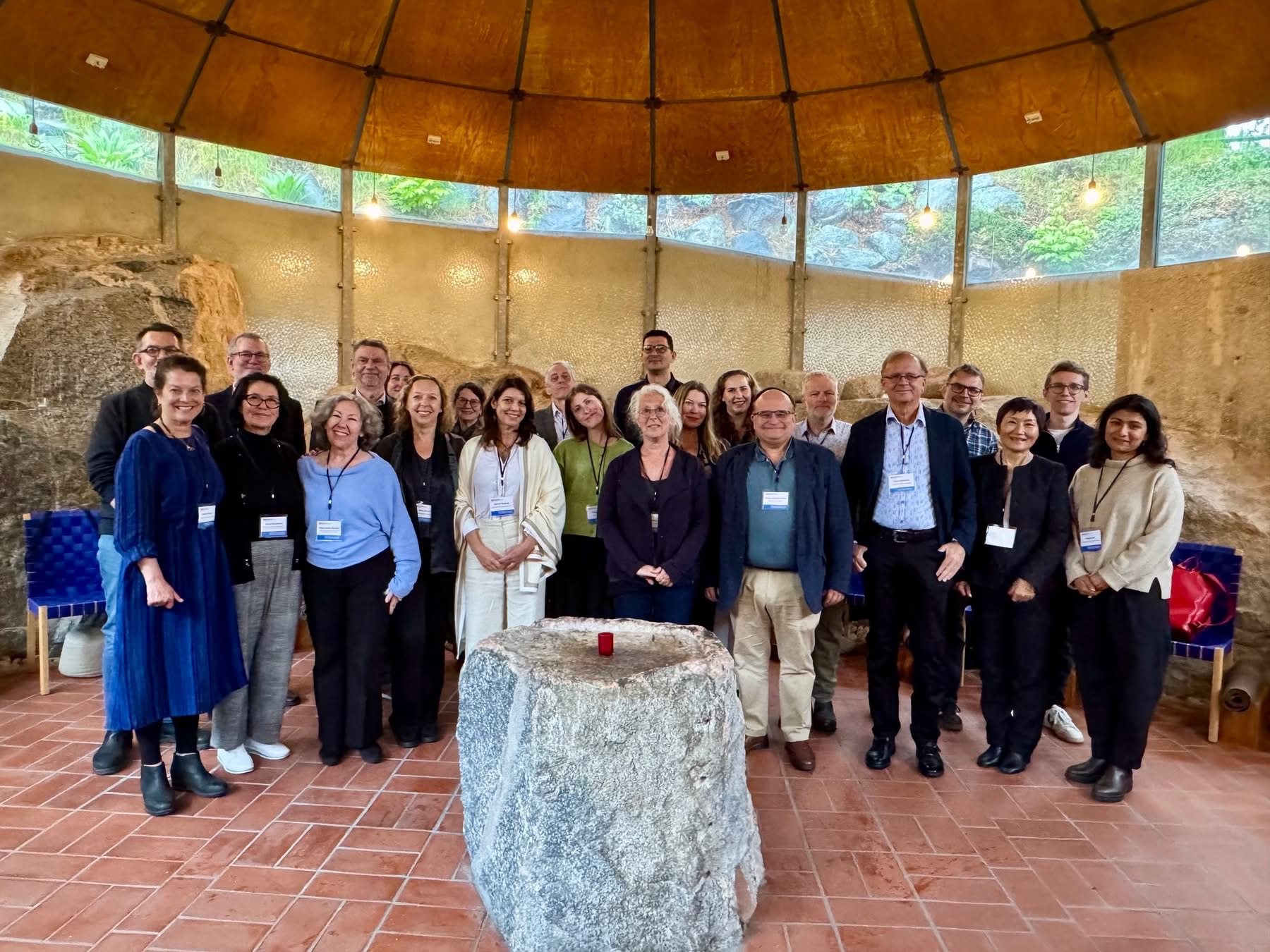
Sigtuna, Sweden: A global delegation of experts and sustainability advocates recently gathered at the Sigtuna Foundation to bridge the critical gap between humanities-based insights and international public policy.
From 12 to 14 May 2026, the UNESCO-MOST BRIDGES Coalition and ASU's Julie Ann Wrigley Global Futures Laboratory (home of the BRIDGES Flagship Hub) convened a series of intensive consultative workshops aimed at refining how human-centred knowledge can drive global action. These consultations, part of the broader initiative titled Building bridges from knowledge to policy formulation and social impact: Mobilising humanities expertise in a rapidly changing world, mark a significant "return to the roots" for the coalition.
The Sigtuna Foundation, which hosted the event, was the historic site where the BRIDGES initiative was first established seven years ago. Now, the coalition is embracing this homecoming to transition from foundational planning to the formulation of concrete policy frameworks and tools. The coalition's focus is clear: to ensure that human stories, culture, and values are deeply woven into the global decisions shaping our planet's future.
A Diverse Collective
This assembly featured a diverse collective drawn from the BRIDGES Hubs, the Governing Council, and the broader coalition. It united a strategic network of voices, including representatives from the International Science Council and UNESCO’s Management of Social Transformations (MOST) Programme; alongside civil society leaders, academics, social innovators, and policy advisors. By integrating the perspectives of systems thinkers, cultural advocates, ethics experts, and global thought leaders, these international facilitators collaborated to advance the coalition’s core objective: sustainability science that is deeply rooted in community experience and informed by the humanities.
From Understanding to Impact
Supported by THE BRIDGES Coalition and the ASU Julie Ann Wrigley Global Futures Laboratory, in close collaboration with the UNESCO-MOST programme and The Club of Rome, the three-day assembly featured a dynamic blend of presentations, collaborative discussion groups, and forward-looking exercises. BRIDGES' Executive Director Steven Hartman described the event as "intellectually intense and deeply collaborative," with an agenda that focused on five critical areas:
The Science–Policy Interface: Strategies for making public decision-making more sensitive to human, social, cultural, and ecological complexities.
Artificial Intelligence: Examining "human readiness" in an age of rapid technological transformation.
Inclusive Governance: Centring underrepresented communities and indigenous knowledge in global sustainability efforts.
Futures Literacy and Foresight: Exploring different types of futures, probable, preferable, and reframed, to escape dominant narratives and embrace new possibilities for action.
The Crisis of Trust: Addressing the erosion of meaning and institutional trust in a rapidly changing world.
These workshops are a vital component of a year-long initiative to develop a suite of guiding instruments, practical toolkits designed to assist UNESCO Member States in translating qualitative, context-specific knowledge into actionable wisdom for complex sustainability challenges.
Strategic Priorities for 2026–2028
The outcomes from the Sigtuna workshops are set to directly inform the coalition’s four core strategic priorities: empowering youth, addressing climate risks in Small Island Developing States (SIDS), strengthening local research capacity in Africa, and centring marginalised voices in global sustainability. Ultimately, these priorities support BRIDGES’ overarching mission of connecting science, society, and public policy to build fairer, more inclusive institutional responses.
Next Steps at UNESCO Headquarters
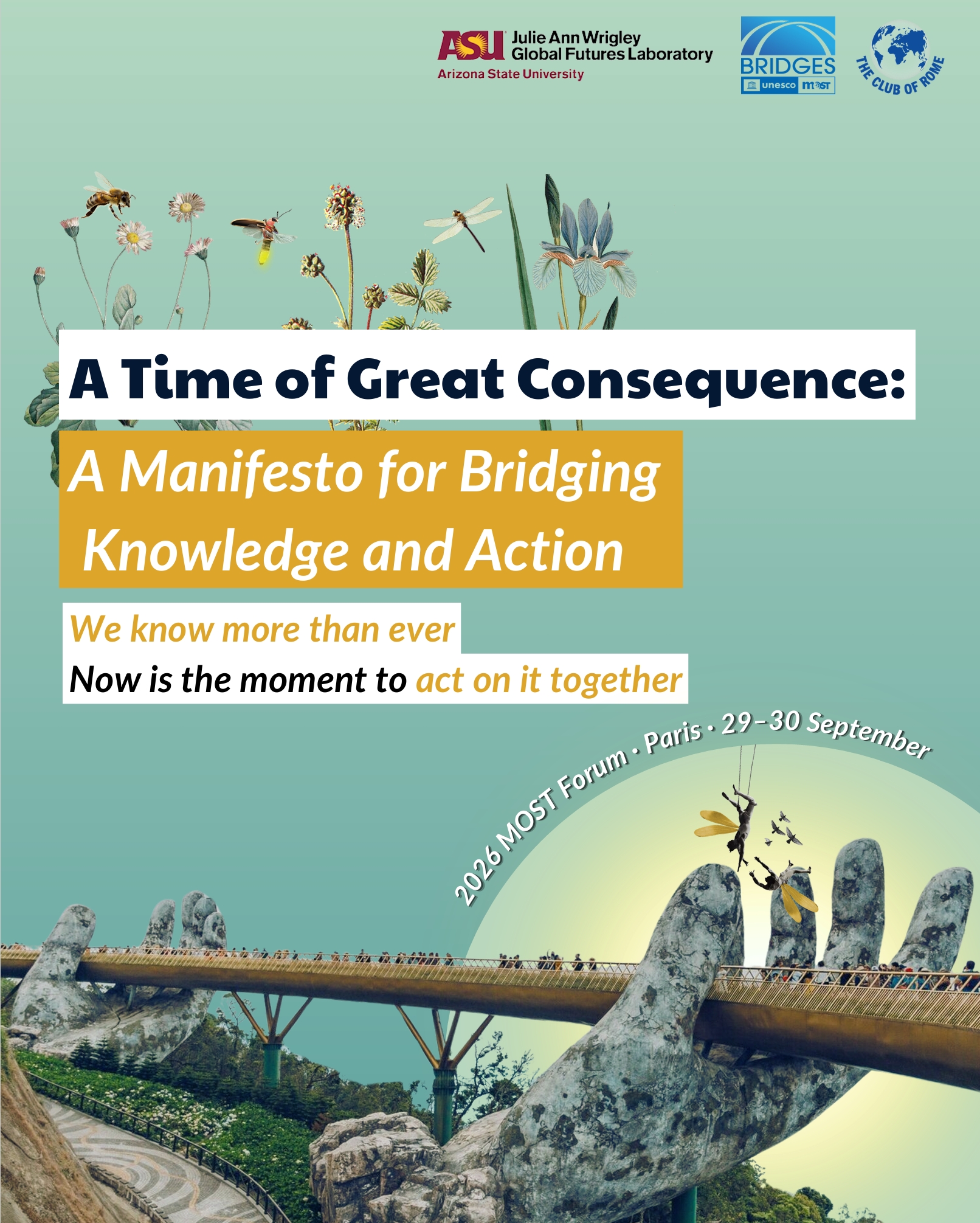
The momentum generated in Sigtuna will culminate later this year. The coalition is currently finalising the range of policy instruments scheduled for official launch during the next Extraordinary Session of the MOST Intergovernmental Council and the MOST Forum. These sessions are expected to take place at UNESCO headquarters in Paris between late September and early October 2026.
By integrating the humanities, arts, social sciences, and local insights into international decision-making, BRIDGES aims to humanise the policies that shape our communities, better reflecting the intricate nature of our evolving world.