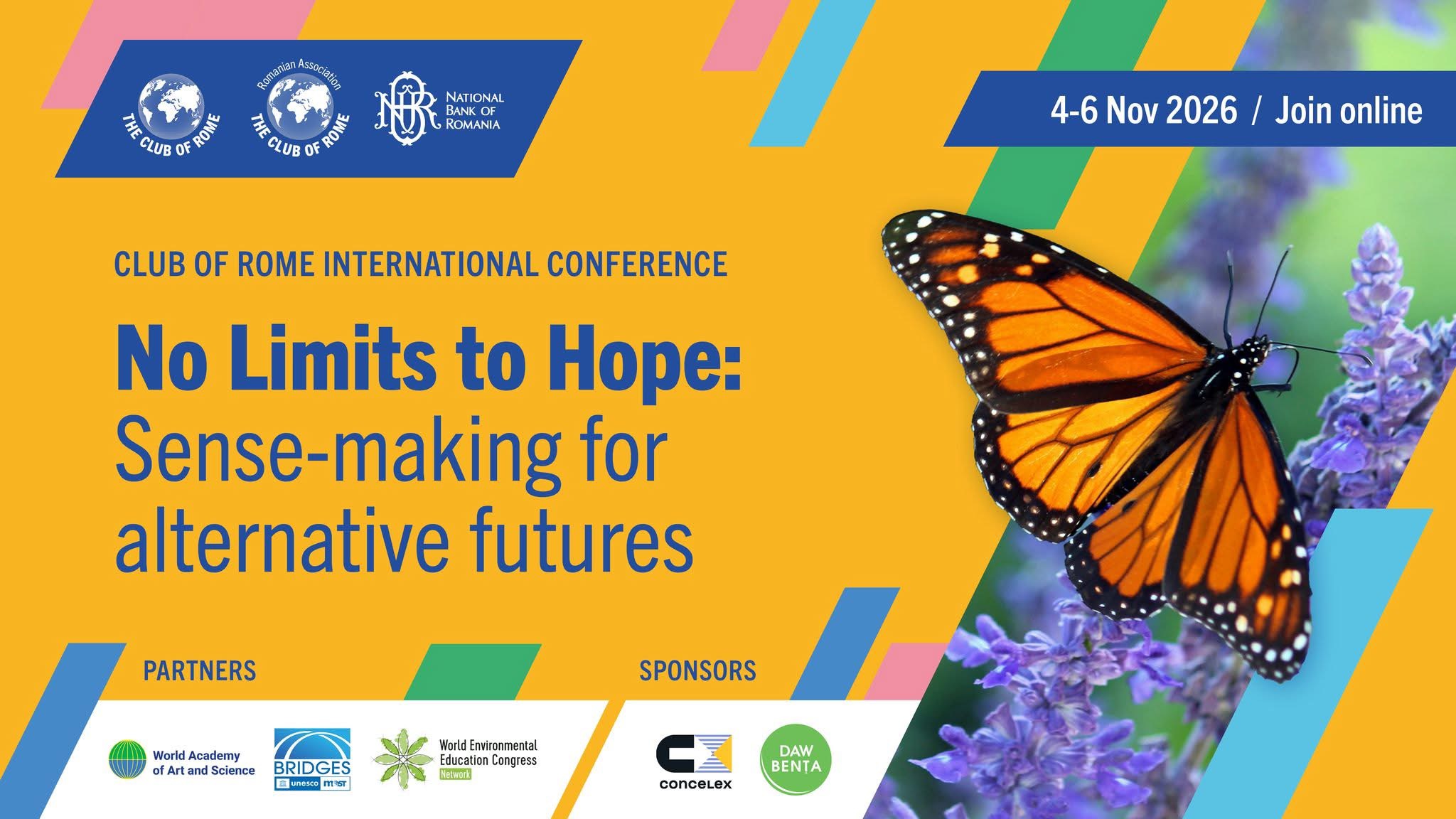
Latest News: The No Limits to Hope Conference – join online!...


Latest News: The No Limits to Hope Conference – join online!...
Posted in News, UWTSD Hub News on Jul 29, 2026.
Recently, the Project REPAIR team gathered at Swansea University for a workshop focused on the part reflexive practice plays in transdisciplinary research. Steered by BRIDGES Luci Attala, the session prompted researchers to examine the impact of their personal experiences, assumptions, and academic backgrounds on the queries they pursue, the methodologies they select, and the insights they generate.
Perspectives
The session used practical exercises and discussions to help researchers examine how their own experiences, assumptions, and disciplinary perspectives shape their research questions, methods, and knowledge creation.
Reflexivity
Luci described reflexivity as "turning our tools back on ourselves," noting that researchers are part of the worlds they study and that perspectives influence what is noticed, overlooked, and interpreted.
Transdisciplinary Approach
Project REPAIR is funded through the AHRC Mission Awards programme, which brings together diverse expertise to address complex societal challenges. Reflexivity is central to Project REPAIR, to understand how different ways of knowing complement, challenge, and strengthen one another.
Inclusivity and Blind Spots
Participants explored how research questions are never neutral, emphasising the need to consider whose perspectives are represented, underlying assumptions, and potential blind spots to produce richer, more inclusive research and meaningful community engagement.
Ongoing Process
Reflexive practice is viewed as a continuous process rather than a single exercise, with future opportunities built into REPAIR to reflect, challenge assumptions, and learn from each other.
REPAIR sets out to address complex societal challenges, embedding a shared culture of reflexivity to ensure collaboration and support healthier, more resilient, and nature-connected places and communities.
To read this article in full on the Repair Project Page, visit this link.