Latest News: The No Limits to Hope Conference – join online!...


Latest News: The No Limits to Hope Conference – join online!...
Posted in Coastal Tales News, News, Publications, UWTSD Hub News on Sep 08, 2026.
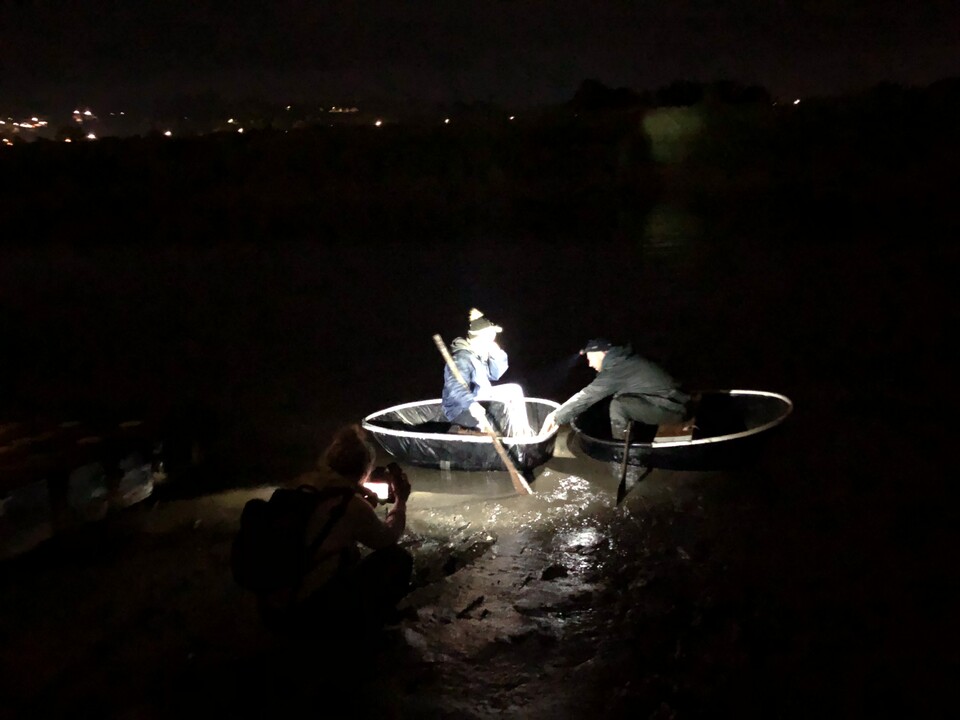
We are proud to share a new publication reflecting over two years of immersive research with coracle fishermen. This work centres the people, the lived experience, and the rich traditions of this unique heritage fishery, while highlighting the challenges it faces and the vital role it plays today.
Authors: Gareth Thomas, Louise Steel, and Luci Attala
Published: 2 September 2026. MDPI Open Access Journals.
Overview
An ethnographic study examining how designating coracle net fishing in southwest Wales (specifically on the River Towy) as intangible cultural heritage is fundamentally reshaping the nature and reality of the fishery.
Key Themes and Findings
• Living Knowledge vs. Bureaucratic Framing: Based on two years of research with the Carmarthen Coracle and Netsmen Association, the study highlights that coracle fishing is far more than an economic activity. It is a deeply embedded cultural practice encompassing generational ecological knowledge, kinship, seasonal rhythms, and a reciprocal relationship with the river environment.
•The Impact of Heritage Licensing: Amid declining salmonid populations, polluted river catchments, and tighter environmental regulations, heritage licensing has been introduced to allow the practice to continue legally. However, these licenses heavily restrict the retention and sale of migratory fish.
• Indirect Displacement and "Curated Artefacts": The authors argue that this regulatory framework acts as an indirect form of displacement. Although it officially affirms the cultural value of coracle fishing, it reclassifies a practical, working livelihood into a static heritage display. This bureaucracy constrains fishers' material rights and adaptive capacities, turning a living tradition into a curated cultural artefact.
• Broader Implications: The Welsh case offers broader anthropological insights into how heritage governance and bureaucratic systems regulate small-scale resource practices in an era of environmental change.