Posted in News, UWTSD Hub News on Sep 04, 2026.
What turns a biophilic building into a home? The answer lies not only in its design, but in how people experience, adapt and care for the spaces around them.
As future residents of the Biome prepare to move into their new homes, Project REPAIR is exploring this transition through anthropological research.
Braiding Method
Underpinning the project is a method that uses the notion of braiding to bring different disciplines and approaches together to strengthen findings without degrading disciplinary integrity, which BRIDGES Dr. Luci Attala helped to develop.
Lived Experience
A vital strand of this work that Dr. Attala is contributing to is the "Lived Experience" thread, which seeks to understand the human side of green infrastructure. By utilising sensory ethnography and artistic approaches, researchers are exploring the nuances of "biophilic" living, the innate human connection to nature.
This specific focus investigates how residents actually feel, see, and interact with nature-based solutions in their daily lives, ensuring that future climate strategies are rooted in genuine human experience.
Resident Meetings
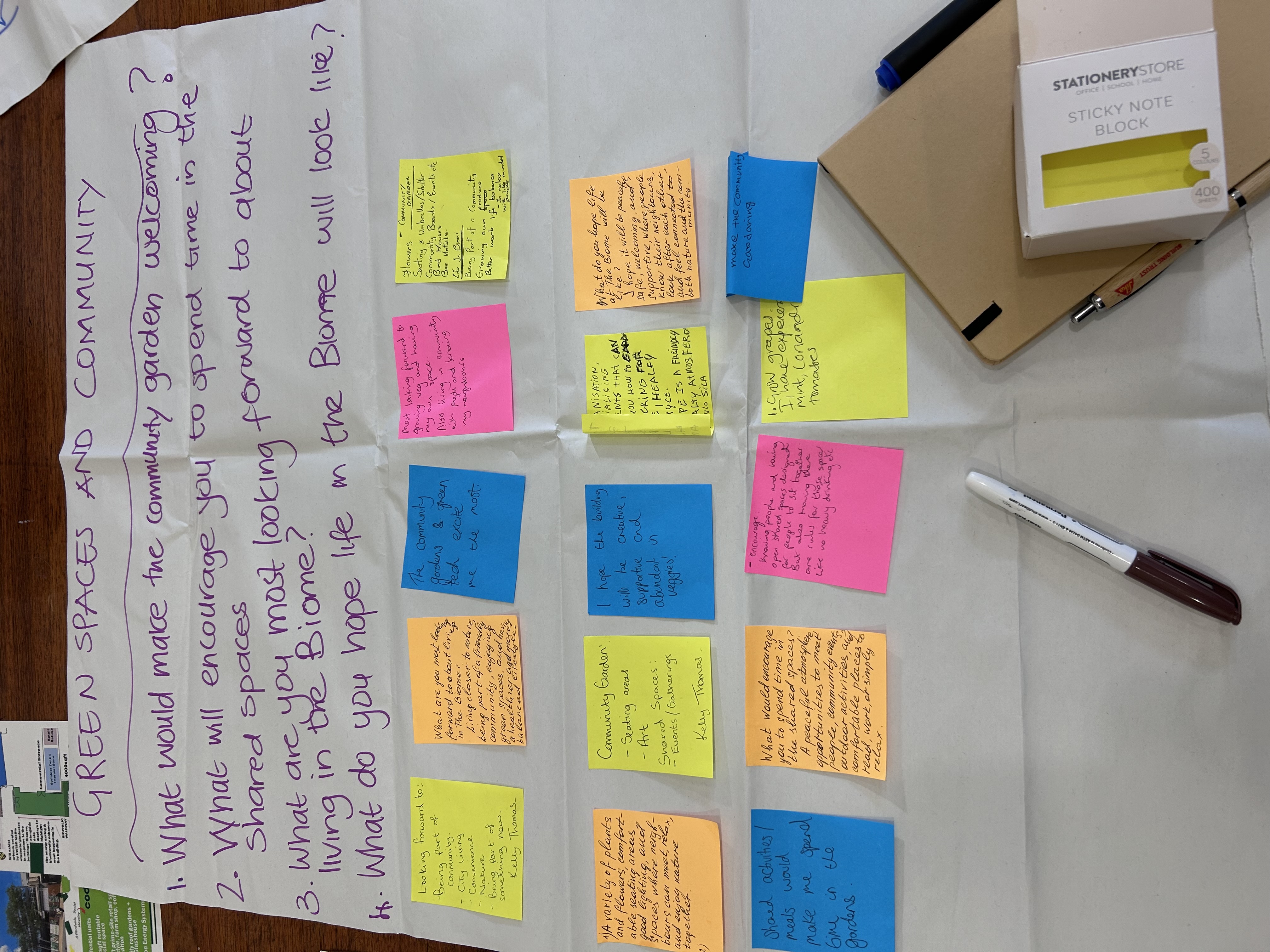
A series of resident meetings has provided an opportunity to listen to residents as they begin to imagine everyday life in the building and consider how its private, shared and green spaces might work in practice.
During two meetings held in June 2026, conversations moved beyond the practicalities of moving in, to questions about what it might actually mean to live in a biophilic building. Residents talked about balconies and gardens, growing food and flowers, places to sit and socialise, privacy, noise and how shared spaces might be used.
These conversations revealed different ideas about what life in the Biome might look like. Some residents were enthusiastic about gardening and spending time in communal spaces, while others placed greater value on privacy or were less interested in taking part in shared activities.
Rather than there being one idea of a Biome community, the research is beginning to reveal the different ways people may choose to engage with their home, their neighbours and the nature around them.
Making a Building a Home
The meetings also highlighted an important distinction between designing a building and making it a home. Residents are already beginning to imagine how they will make the spaces their own: where furniture might go, what they might grow and how they might use their gardens and balconies. These seemingly everyday considerations are important. They begin to show how the architectural and environmental ambitions of the Biome will ultimately be experienced through people's daily lives.
Relationships of Care
The green spaces are particularly significant. Designed to support biodiversity and bring nature into the heart of the development, they also introduce questions about how shared spaces will be used, maintained and cared for. Plants need watering, gardens need looking after and decisions about shared spaces need to accommodate people with different needs and expectations.
This points to an important emerging theme for REPAIR: care is as important as design. Creating green infrastructure is only part of the story. Its longer-term success will also depend on the relationships, knowledge and everyday practices that develop around it.
The June meetings provide a valuable snapshot of residents' expectations before they move in. As the research continues, this thread will be able to explore how these early expectations compare with the reality of living in the Biome and how relationships with the building, its green spaces and other residents develop over time.
Retrofitting Our Relationships
The REPAIR "Retrofitting for the Future" project is an exciting opportunity to transform more than just buildings; it’s about transforming our fundamental relationships with nature, each other, and the systems that govern us.
By identifying the challenges that hinder widespread adoption of biophilic design, the team aims to deliver evidence-based, replicable pathways for biophilic urban adaptation and retrofitting, ensuring a safer, fairer, and greener pathway into our shared future.
Project REPAIR is exploring a fundamental question at the heart of biophilic living: not simply how we design places that bring people and nature closer together, but how those places become lived in, cared for and made into home.
Read the original article on the Project REPAIR page where you will find other interesting stories from the initiative.