


Cook 24
Is the pilot cooking project that inspired the creation of Cegin y Pobl – The People’s Kitchen– an enterprise that hopes to kickstart a revolution by connecting people to food through cooking.


The Sustainable Food Cymru (SFC) project brings academics and societal partners from across Wales to stir up thinking about food and contribute meaningfully to holistic food system change as a route to NetZero in Wales.
Sustainable Food Cymru was established to develop and inspire transdisciplinary research with a specific focus on Welsh food sovereignty and food as a mechanism of adaptation for a local, flourishing future globally.
With the support of the Wales Innovation Network, SFC has held two workshops with societal partners from the length and breadth of Wales.
The first of the project’s events was an online webinar where the food writer, Simon Wright provided an outline of the current food crisis and the instability of supply chains. The second transdisciplinary workshop showcased local initiatives, methods and approaches in a lively two day in-person event on the Lampeter Campus of UWTSD. The workshop asked the questions, ‘How did we get here?’ and ‘What do we want Wales look like in 30 years?’ to stimulate discussion of how to create a food system that people can afford and that cares for bodies and the environment.
Partners’ projects
Is the pilot cooking project that inspired the creation of Cegin y Pobl – The People’s Kitchen– an enterprise that hopes to kickstart a revolution by connecting people to food through cooking.

A unique intercontinental educational project partnership between Wales and Brazil, funded by the UNDP’s Conscious Food Systems Alliance, that connects children to their culture through food.

A series of in-person food ethics talks, centred on hot topics, aimed at encouraging public debate.


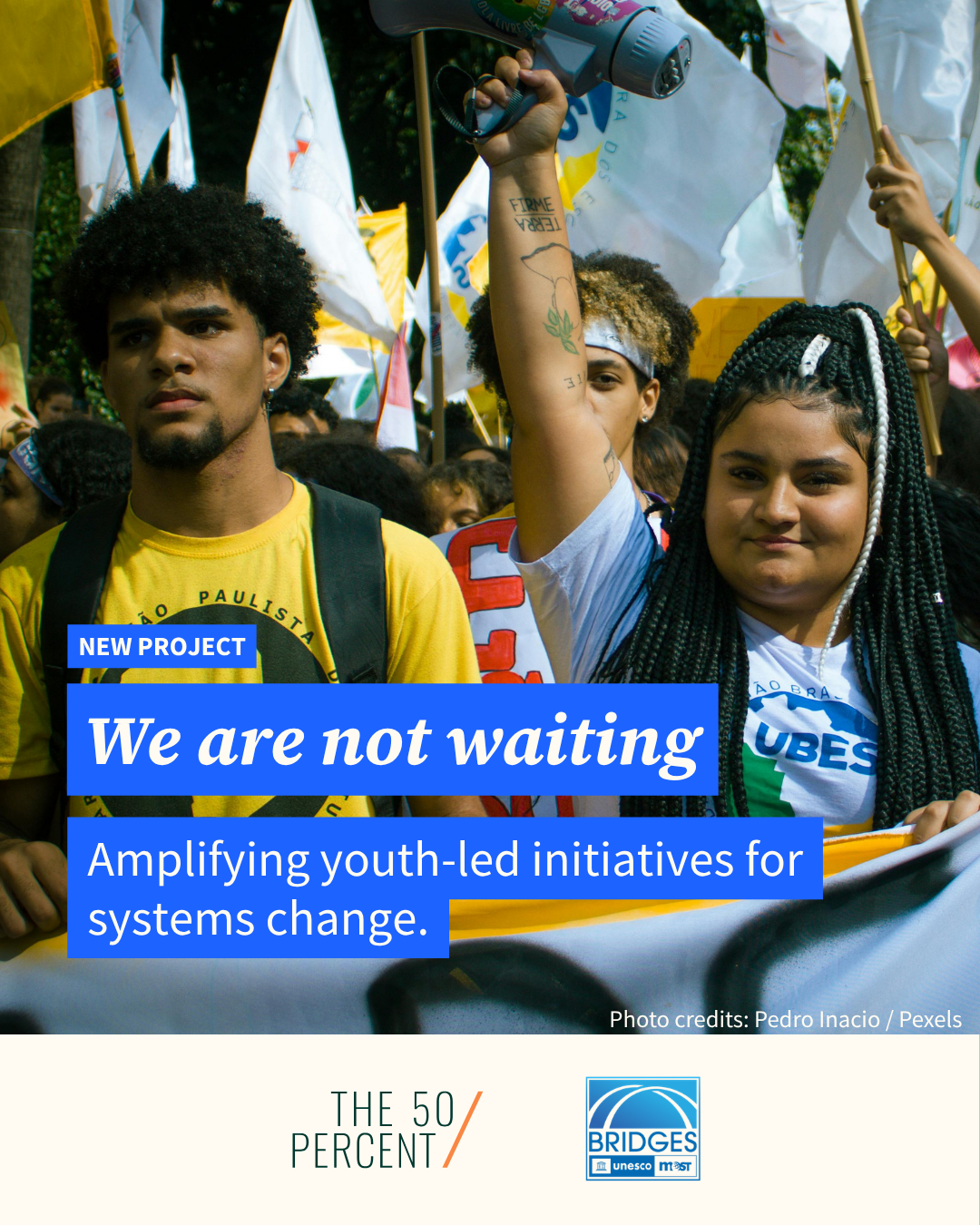
We are not waiting is a joint initiative by the UNESCO–MOST BRIDGES UK Hub and The 50 Percent at the Club of Rome, with two linked outputs: a youth-led webinar series and an accompanying anthology.
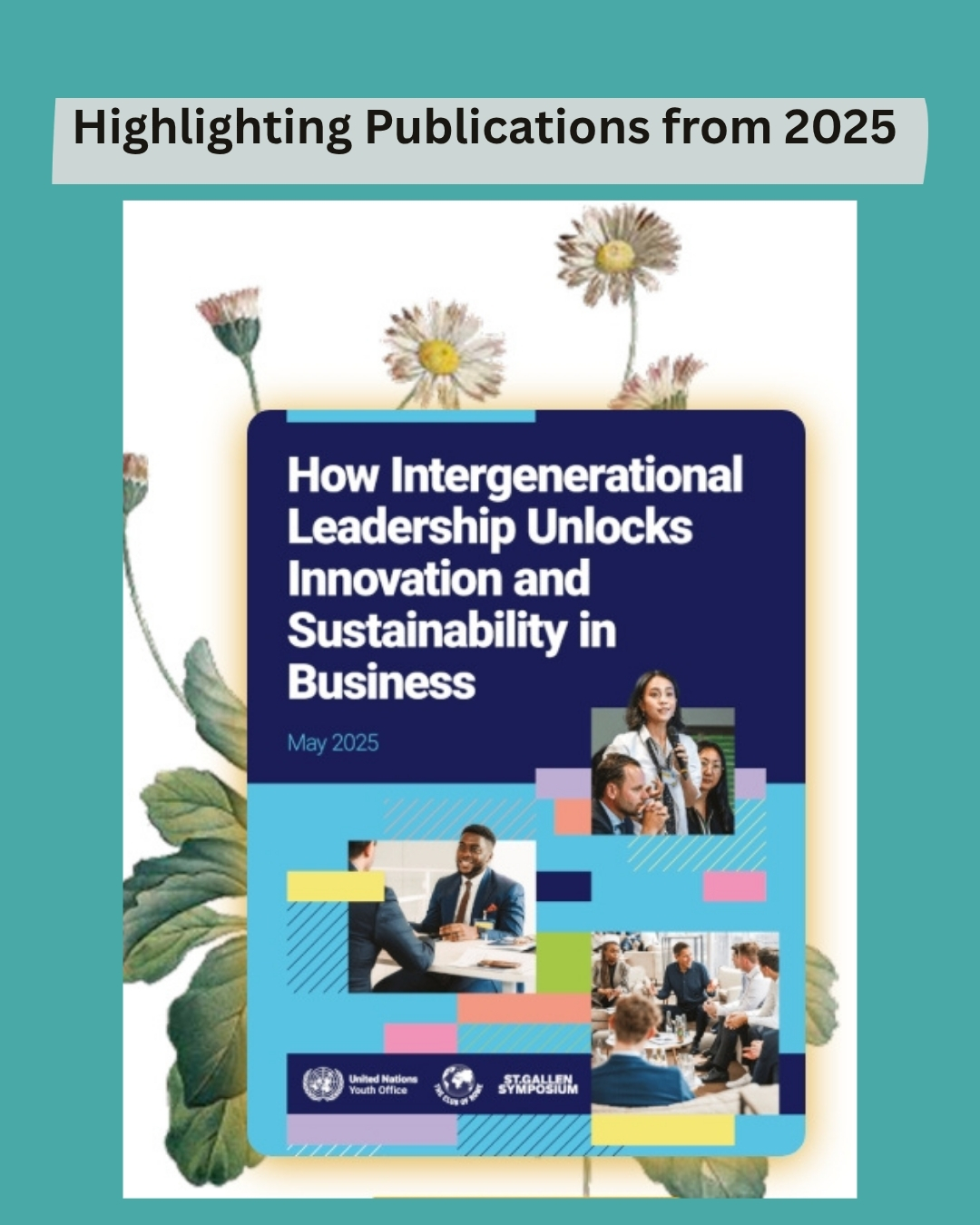
Published in May 2025 by the United Nations Youth Office, the St. Gallen Symposium, and The Club of Rome, this report makes a compelling case for a fundamental shift in how power and wisdom are distributed within organisations. It argues that involving younger generations meaningfully in decision-making across all levels of an organisation creates forward-thinking institutions that are more responsive to the complex challenges facing the world today, while also ensuring long-term sustainability.
In an era of rapid change, growing inequalities, and complex global challenges, collaboration between science, policy, and society, rooted in a deep understanding of the plurality of human experiences, is becoming increasingly crucial. In this context, UNESCO-MOST BRIDGES serves as a dedicated coalition committed to revolutionising how knowledge is mobilised for inclusive social development and planetary wellbeing. For organisations committed to equity, innovation, and impact, joining the BRIDGES Coalition is a meaningful move.
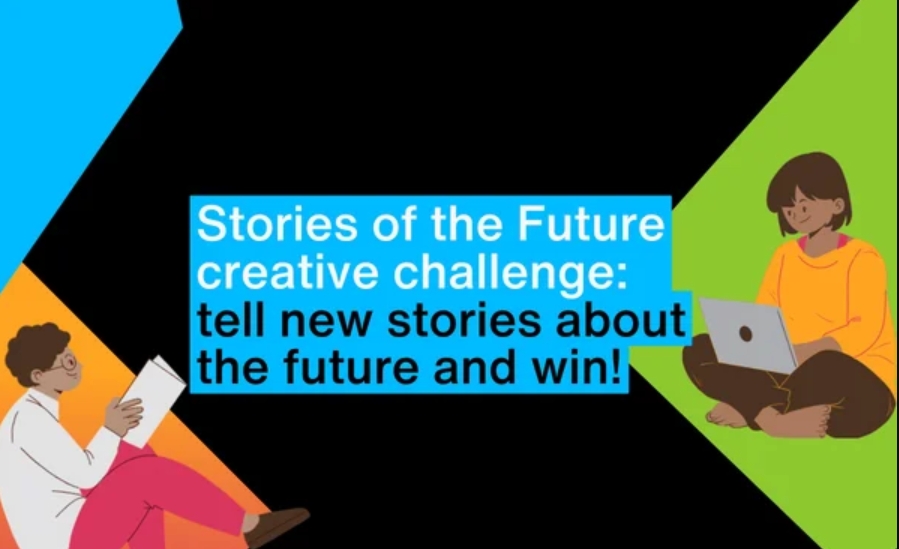
Earth4All are inviting young people around the world to imagine new stories about the future – and share them in a creative challenge. "When we tell better stories, we create space for change.'' The Stories of the Future initiative is calling on the next generation to envision a more hopeful world. If you are aged 21 or under, Earth4All want to see your vision. Whether through the written word, digital art, traditional painting, or cinematography, share your vision of the future where humanity thrives.
Unfolding today: This week, a dedicated global delegation of BRIDGES colleagues is gathering in Sigtuna, Sweden, for a series of transformative consultative workshops. This assembly, including members from our global BRIDGES Hubs, Governing Council, and wider coalition, brings together a powerful synthesis of strategic partners, such as social innovators, academics, and policy advisors. Working alongside systems thinkers, ethics experts, global thought leaders, and cultural advocates, these international facilitators are engaging in high-level dialogue to advance the coalition’s mission of community-anchored sustainability science.
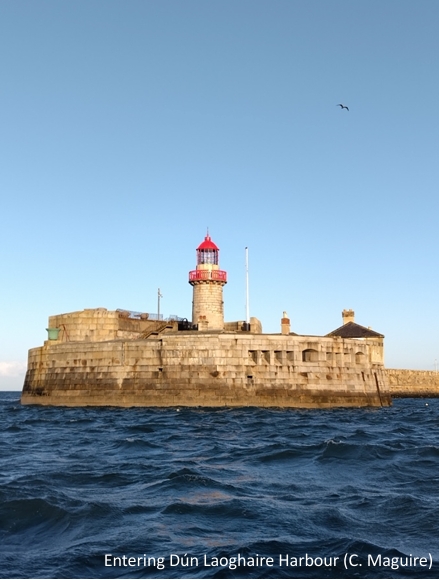
It’s a blustery Thursday late afternoon when we arrive at the West Pier of Dún Laoghaire Harbour. The wind cuts sharply across the quay, and low, heavy clouds threaten rain at any moment. We glance at each other more than once, wondering whether Ed—the man behind Goat Boat Tours—might call it off. To be fair, we wouldn’t blame him.
Earth Day 2026: ‘The Future We Build’ event held at Arizona State University's Julie Ann Wrigley Global Futures Laboratory. Panel: Global Futures Conversation Topic: Living in times of accelerated global change The conversation illuminated emerging challenges and opportunities at a time when the world order is being rewritten at a rapid pace.
UNESCO-MOST BRIDGES is pleased to share the UNESCO AI for Environment and Ecosystems Toolkit for Policymakers that was launched in the last week of April, 2026, by UNESCO.
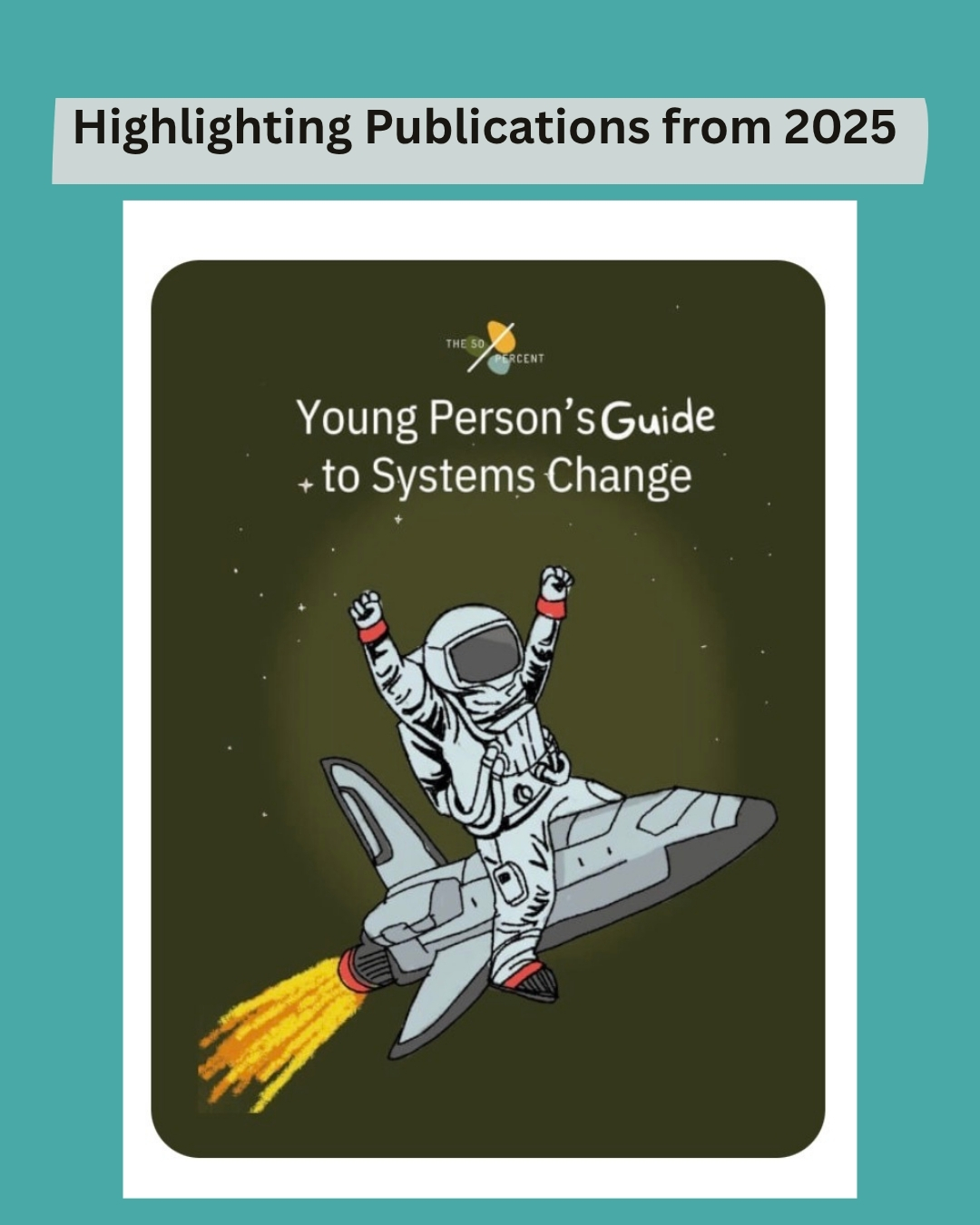
As part of our ongoing series highlighting pivotal works released in 2025, we turn our attention to a foundational resource designed for the next generation of global stewards. The Young Person’s Guide to Systems Change, produced by The 50 Percent, a platform for young leaders supported by The Club of Rome, serves as both a manifesto and a practical toolkit for navigating the complexities of current times.
The UNESCO-MOST BRIDGES Coalition is proud to announce the formal recognition of ‘UFMS Rock Trail: Innovations and social technologies in the Bioeconomy’ as an outstanding initiative in humanities-anchored, transdisciplinary sustainability science.
Sorry, there are no reports posted.