Blog

Building Bridges for Social Transformation: Why Join the UNESCO-MOST BRIDGES Coalition?

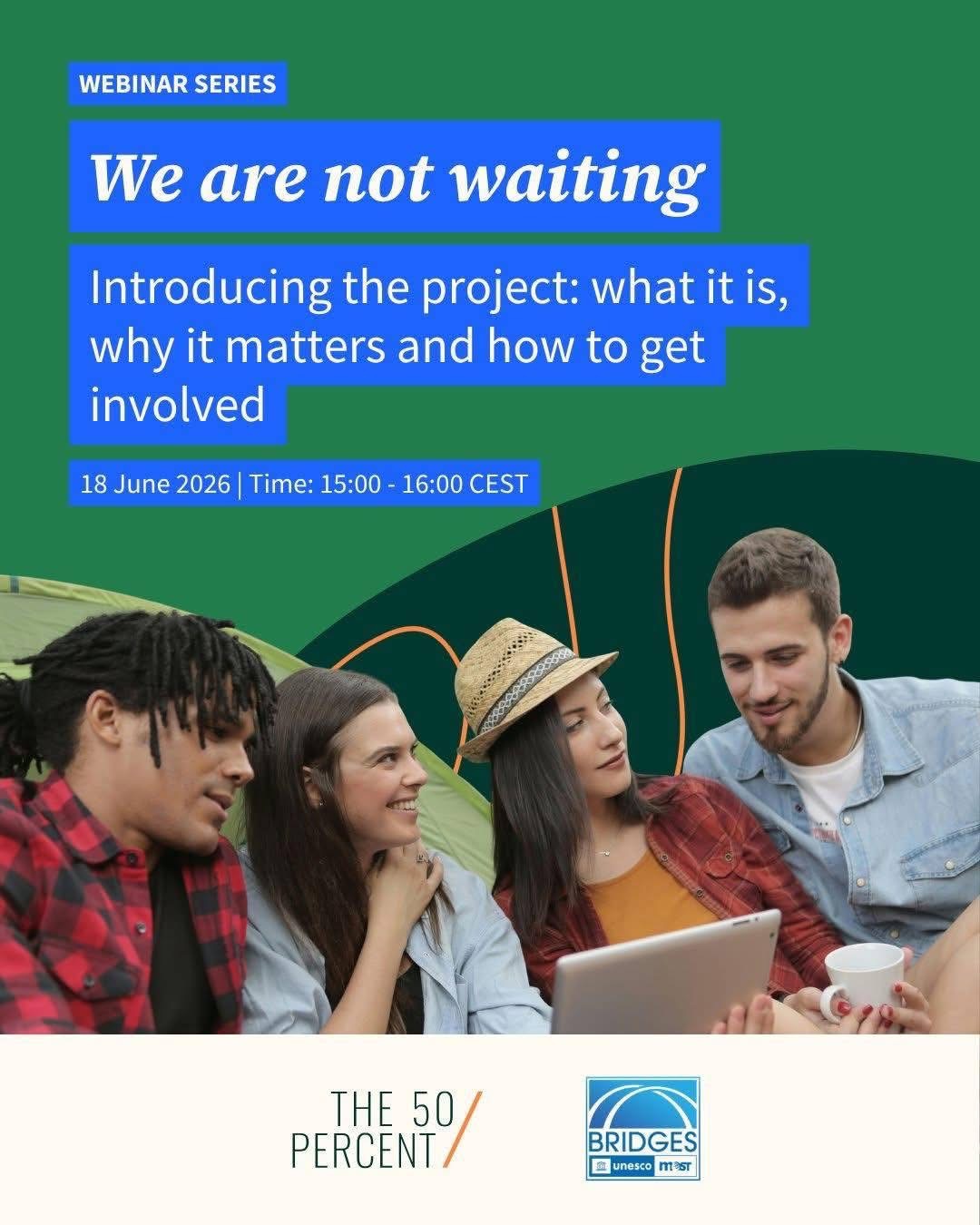
In an era of rapid change, growing inequalities, and complex global challenges, collaboration between science, policy, and society, rooted in a deep understanding of the plurality of human experiences, is becoming increasingly crucial. In this context, UNESCO-MOST BRIDGES serves as a dedicated coalition committed to revolutionising how knowledge is mobilised for inclusive social development and planetary wellbeing. For organisations committed to equity, innovation, and impact, joining the BRIDGES Coalition is a meaningful move.

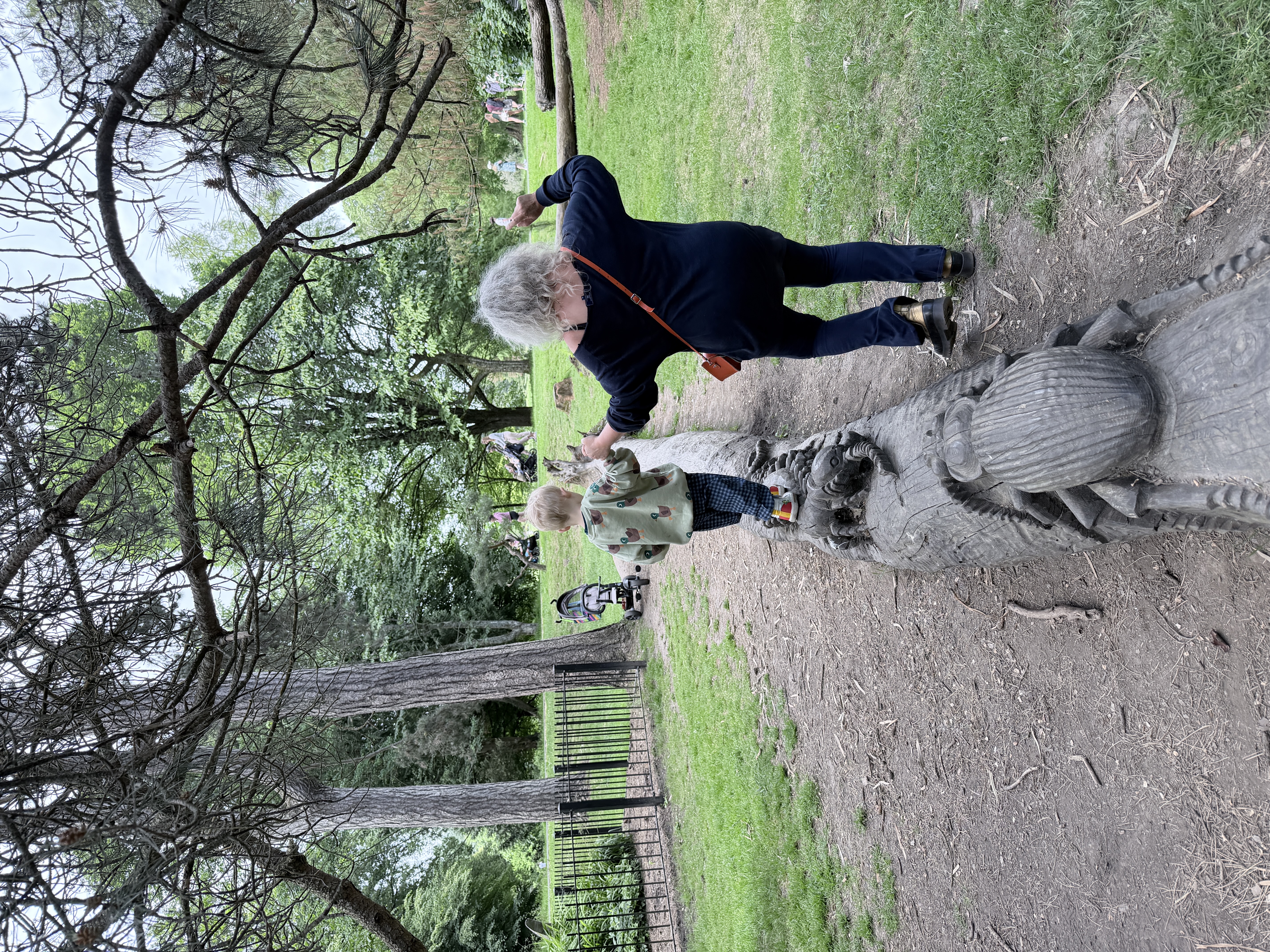
A Windy Welcome and a Boat Called Billy Goat

It’s a blustery Thursday late afternoon when we arrive at the West Pier of Dún Laoghaire Harbour. The wind cuts sharply across the quay, and low, heavy clouds threaten rain at any moment. We glance at each other more than once, wondering whether Ed—the man behind Goat Boat Tours—might call it off. To be fair, we wouldn’t blame him.

Inaugural Bridging Futures Lecture delivered by Phan Thị Kim Phúc

Looking back at the Bridging Futures General Assembly event and more specifically, in this account, the inaugural Bridging Futures Lecture. At the heart of the programme was a deeply moving and widely praised lecture by UNESCO Goodwill Ambassador Phan Thị Kim Phúc. Known internationally as the ‘Napalm Girl’ from the Pulitzer Prize-winning photograph of the Vietnam War, Kim has since become a powerful advocate for peace, reconciliation, and forgiveness.

Restoring Hope from the Ground Up: Why Soil, Sustainability, and Regenerative Farming Are the Keys to Nakivale's Future

This article by Samuel Ombeni, Refugee Youth Advocate for Sustainable Development and Humanitarian Agriculture, published by coalition members, African Youth Integrated For Socio-Economic Development (AYISD), provides vision of a community-led response to the escalating food crisis in Uganda’s Nakivale Refugee Settlement. Following the withdrawal of international food aid, this model presents a viable alternative to long-term dependency. By championing regenerative, high-impact ecological techniques, the model highlights that food security is achievable through the simultaneous restoration of the land and the livelihoods of those who tend it.

REISA: Eight Years Sowing Agricultural Education in Guatemala

This blog post by Erick Torres reflects on the eight-year journey of REISA, a Guatemalan network dedicated to making ecological and agricultural education accessible to those who need it. REISA was born in 2018 from a need to bridge a significant gap in Guatemala’s education system. While industrial monoculture is often promoted as a quick fix, it frequently leads to soil degradation and the loss of traditional Indigenous farming wisdom. REISA sought to provide affordable training in permaculture and regenerative agriculture specifically for rural and Indigenous families who depend on the land for survival.

We use cookies to personalize content and to analyze our traffic. Please decide if you are willing to accept cookies from our website.